Build a Balanced Meal With Foods You Know
A flexible meal-building framework based on variety, adequacy, balance, and moderation—not a rigid plate or a list of perfect foods.
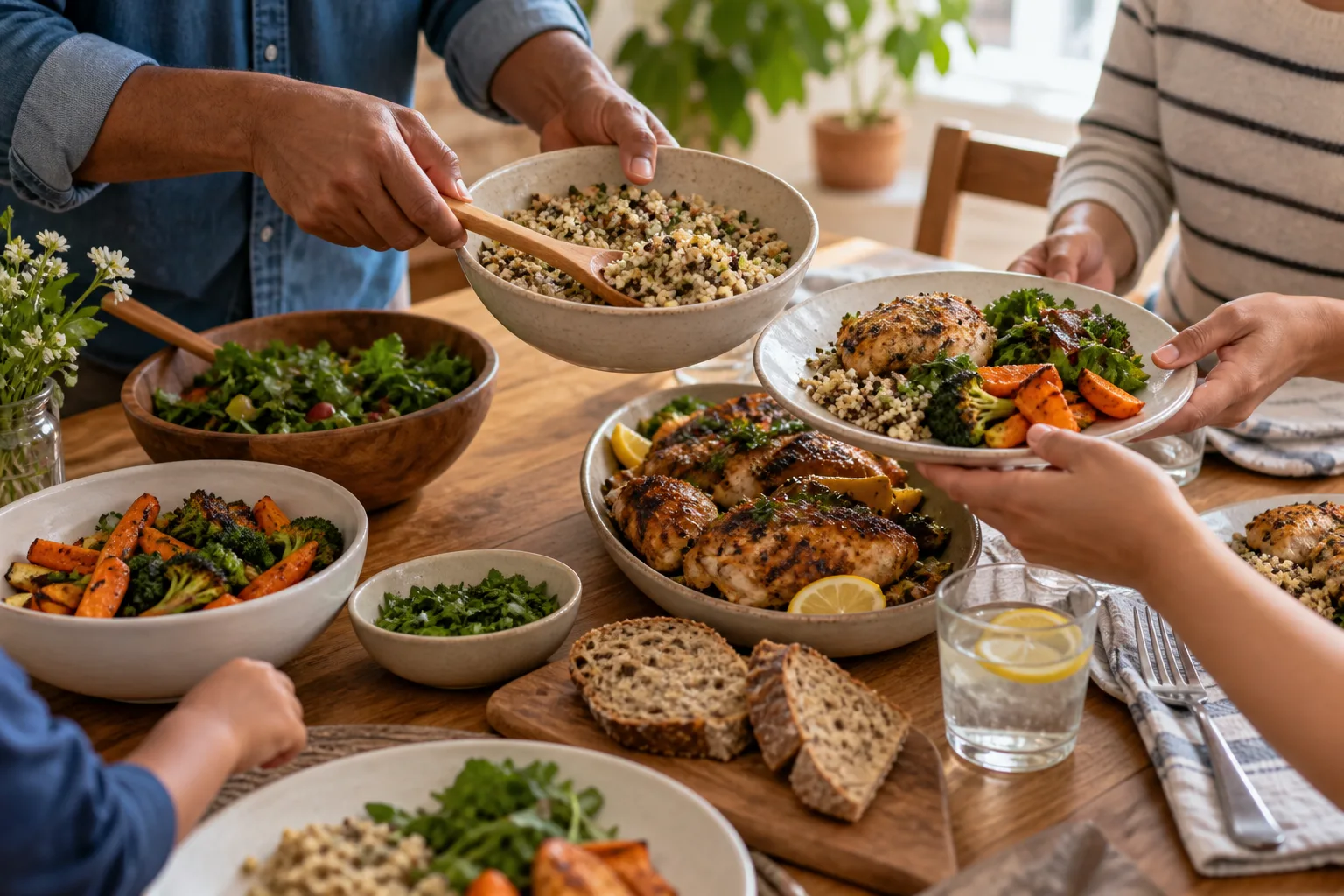
Balanced eating is often pictured as a spotless plate arranged into exact sections. Real meals are messier. Curry covers rice, soup contains several food groups, a sandwich hides its vegetables, and leftovers rarely arrive in matching portions. Balance is still possible because it describes the pattern, not the photograph.
A practical meal can begin with foods you already cook and enjoy. The aim is to include a few different kinds of nourishment, notice what is missing, and make one reasonable addition. No single meal has to carry the entire week.
Use four broad principles
The World Health Organization describes healthy diets through adequacy, balance, moderation, and diversity. The exact diet varies with age, activity, culture, available foods, and dietary customs. That flexibility matters: a healthy meal does not require imported ingredients or a cuisine that feels unfamiliar.
- Adequacy means eating enough energy and nutrients for your needs.
- Balance means no single component crowds out everything else over time.
- Moderation means limiting—not necessarily banning—foods or nutrients that are easier to overconsume.
- Diversity means choosing a range of foods within and across groups.
Begin with the meal's familiar base
Most cuisines have a staple: rice, bread, noodles, oats, potatoes, maize, millet, or another grain or starchy vegetable. Keep that base and ask what would make it more complete. Whole-grain versions can add fiber where they are affordable, available, and enjoyed, but they are not the only route to a balanced meal.
Next, add a protein food. Options include beans, peas, lentils, tofu, eggs, fish, poultry, meat, yogurt, nuts, and seeds. The CDC's healthy-eating overview emphasizes variety across protein choices rather than presenting one source as mandatory.
Make produce easy to include
Vegetables and fruit bring fiber, vitamins, minerals, flavor, and texture. Fresh produce is useful, but frozen and canned options can be equally practical. Look for canned fruit in water or juice and vegetables with less added sodium when those choices are available. Rinsing canned beans or vegetables may reduce some surface sodium.
If half a plate of vegetables feels unrealistic, start with one addition: frozen peas in rice, tomatoes in eggs, fruit beside breakfast, cabbage in noodles, or a side of beans and greens. Repetition is allowed. Variety can build across several meals rather than appearing all at once.
Add flavor and satisfaction
Flavor is not an optional extra. Herbs, spices, garlic, ginger, citrus, chilies, fermented condiments, sauces, oils, nuts, and seeds help make nutritious foods worth returning to. Portions of salty condiments, saturated fats, and added sugars can be considered in the wider pattern without stripping a meal of identity.
Satisfaction also comes from enough food. A plate that looks virtuous but leaves you hungry may lead to constant searching for something else. Appetite varies from day to day with activity, sleep, health, and life stage. Start with a reasonable serving and allow yourself to respond to hunger and fullness rather than an image online.
Adapt mixed dishes instead of rebuilding them
For soup, stew, curry, pasta, or a rice dish, ask three questions:
- Is there a useful protein source?
- Could I add or serve a vegetable or fruit?
- Will this amount feel satisfying until the next planned meal or snack?
A lentil soup with bread and fruit may already answer all three. Fried rice could gain frozen vegetables and egg. Pasta with tomato sauce could include beans, fish, or a side salad. These are options, not rules; allergies, medical diets, finances, and cultural practices come first.
Look at the day, not one plate
Breakfast may be grain-heavy and dinner vegetable-heavy. One meal may be chosen for convenience or celebration. A balanced pattern has room for all of those. If lunch lacks produce, you can include it later rather than treating lunch as ruined.
People with specific nutrition needs—such as pregnancy, food allergies, digestive disease, kidney disease, or a history of disordered eating—may benefit from individualized guidance from a qualified dietitian or clinician.
Practical takeaway
Take a meal you already make and keep its familiar base. Add a protein food if it needs one, include one accessible vegetable or fruit, and season it in a way you enjoy. Then check whether the amount is genuinely satisfying. Balanced eating becomes more natural when it improves ordinary meals instead of replacing them with an idealized plate.
Sources
- Healthy diet, World Health Organization
- Tips for Healthy Eating for a Healthy Weight, U.S. Centers for Disease Control and Prevention
Continue reading
Related articles
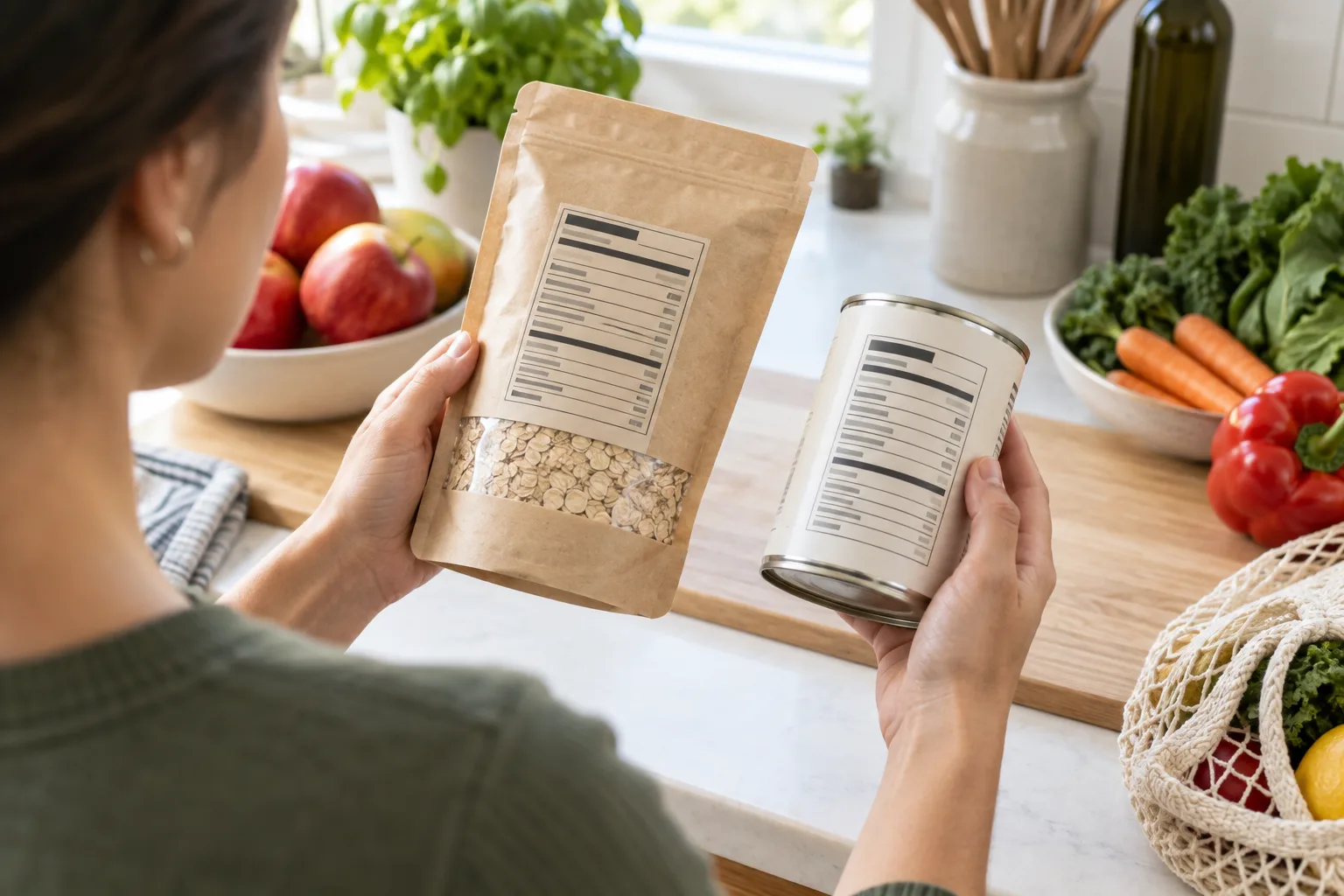
Read a Nutrition Label Without Getting Lost
A five-step label-reading method that starts with your purpose and helps compare packaged foods without declaring any single product good or bad.
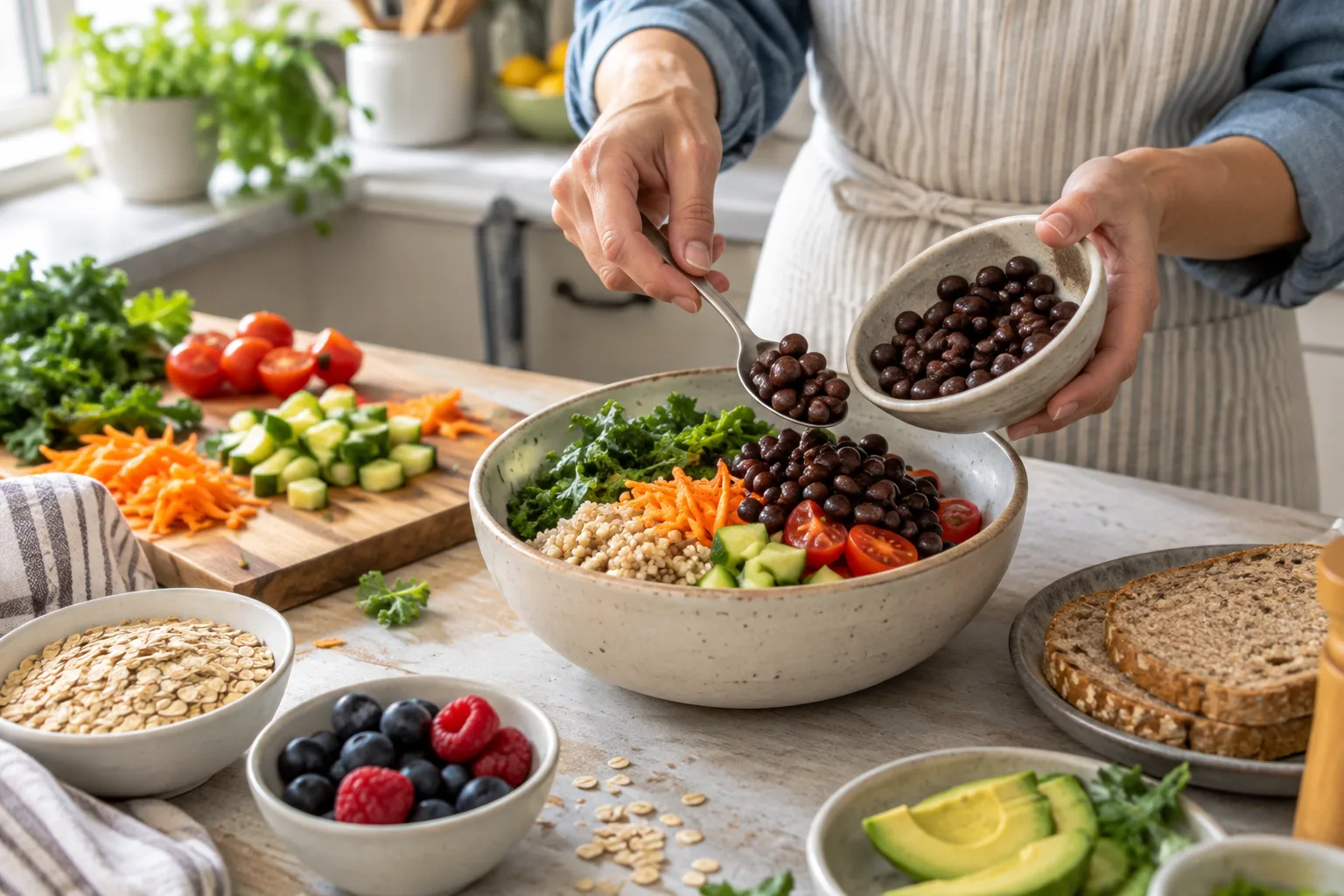
Add More Fiber One Food at a Time
A gradual, food-first approach to fiber using beans, whole grains, vegetables, fruit, nuts, and seeds—plus the practical role of fluids and labels.

Everyday Energy: Sleep, Food, Movement and When Fatigue Needs Care
Energy is not a product or a single wellness score. Support daily function with sleep, regular food, fluids, movement and pacing, and recognise persistent fatigue as a symptom that may need medical care.