Green Coffee and Weight Loss: What the Evidence Actually Shows
Green coffee is often sold as a shortcut for weight loss, but extracts, drinks and ordinary coffee are not interchangeable. Understand the limited evidence, caffeine concerns and product-safety questions.
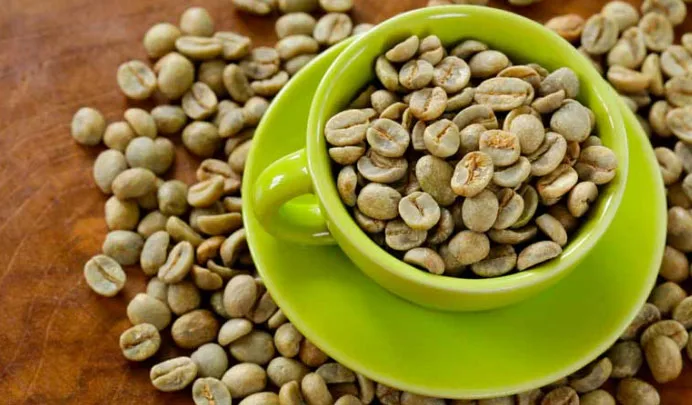
Green coffee sounds like a simple drink, but weight-loss marketing uses the name for several different products. It may mean a beverage made from unroasted coffee beans, a powder, or a concentrated green coffee bean extract in a capsule. Those forms can contain different amounts of caffeine and other compounds, so evidence about one product should not be transferred automatically to another.
The main marketed compound is chlorogenic acid. Laboratory findings about a compound are useful for forming research questions, but they do not prove that a drink or supplement produces meaningful, lasting weight loss in people. Product dose, formulation, study length, participant characteristics and the quality of the comparison all matter.
What does the evidence say?
The NIH Office of Dietary Supplements includes green coffee bean extract in its weight-loss supplement fact sheet. It describes a possible small effect on weight while also showing the wider problem: many supplement studies are small, short, and based on ingredients rather than the exact products sold to consumers. A small average change is not the same as a reliable result for an individual.
Research also needs to answer whether an effect lasts after the product is stopped and whether participants experienced harms. A before-and-after testimonial, a laboratory diagram or the phrase “clinically studied ingredient” cannot answer those questions. Look for a controlled human study of the same formulation, a useful comparison group, complete reporting and enough follow-up to judge both benefit and safety.
A drink is not a fat-burning switch
Green coffee does not make energy balance disappear. Adding it to an unchanged routine does not guarantee weight loss, and adding sugar, syrups or cream can change the drink substantially. Replacing a high-calorie sweetened drink with an unsweetened option may reduce energy intake, but that effect comes from the substitution rather than a special ability to target body fat.
The National Institute of Diabetes and Digestive and Kidney Diseases advises that a credible weight-management programme should include a realistic eating pattern, appropriate physical activity, support for habits and a plan for maintenance. One ingredient cannot supply all of those parts.
Caffeine and concentration matter
Unroasted coffee beans naturally contain caffeine, although the amount in a drink or extract varies. Caffeine can disturb sleep and may cause jitteriness, anxiety, headache, stomach symptoms or a rapid heartbeat, especially when several caffeinated products are combined. A label that emphasizes chlorogenic acid may make the stimulant content easy to overlook.
Pregnancy, breastfeeding, heart-rhythm problems, blood-pressure concerns, anxiety, sleep disorders, medicines and other supplements can change the safety picture. A pharmacist or clinician can review interactions and total caffeine exposure. Do not use a general weight-loss article to adjust prescribed medicine or replace individualized care.
“Natural” does not verify a product
A plant origin does not guarantee purity, dose accuracy or freedom from hidden ingredients. The U.S. Food and Drug Administration maintains current weight-loss product notifications and warns that pills, supplements and teas promoted for weight loss may contain dangerous undisclosed substances. The list cannot prove that every unlisted product is safe.
Be cautious when a seller promises rapid results, weight loss without changing food or activity, loss from one body area, or a secret detoxifying mechanism. Pressure to subscribe immediately, vague ingredient amounts and claims that criticism is being suppressed are also poor substitutes for evidence.
How to evaluate a green coffee product
- Identify whether it is a beverage, extract or multi-ingredient supplement.
- Check the full ingredient list and stated caffeine amount rather than relying on the front label.
- Ask whether studies tested the exact formulation and measured outcomes that matter over a useful period.
- Review medicines, health conditions and other stimulant use with a qualified professional.
- Stop and seek medical advice for concerning symptoms rather than increasing or combining products.
Practical takeaway
Green coffee may be enjoyed as a beverage if it suits you, but it should not be treated as a dependable weight-loss method. Evidence for extracts points at most to a limited possible effect, while caffeine, interactions, product quality and hidden ingredients deserve attention. Build weight-management decisions around a sustainable pattern and qualified care, not a single infusion or supplement claim.
Sources
- Dietary Supplements for Weight Loss — Fact Sheet for Consumers, NIH Office of Dietary Supplements
- Weight Loss Product Notifications, U.S. Food and Drug Administration
- Choosing a Safe and Successful Weight-loss Program, National Institute of Diabetes and Digestive and Kidney Diseases
Continue reading
Related articles
Supporting Gut Health: Food Patterns, Probiotics and Practical Caution
Gut-health marketing often moves faster than the evidence. Build a varied food pattern where appropriate, understand strain-specific probiotic evidence and avoid treating supplements as universal remedies.

Plan Snacks That Actually Satisfy
Turn snacks from random grazing into simple, satisfying mini-meals that fit your appetite, schedule, budget, and food preferences.
Six Flexible Food Building Blocks for Balanced Weight Management
No food burns fat or guarantees weight loss. These six flexible food groups can help build varied, satisfying meals without turning ordinary ingredients into miracle products.