Six Flexible Food Building Blocks for Balanced Weight Management
No food burns fat or guarantees weight loss. These six flexible food groups can help build varied, satisfying meals without turning ordinary ingredients into miracle products.
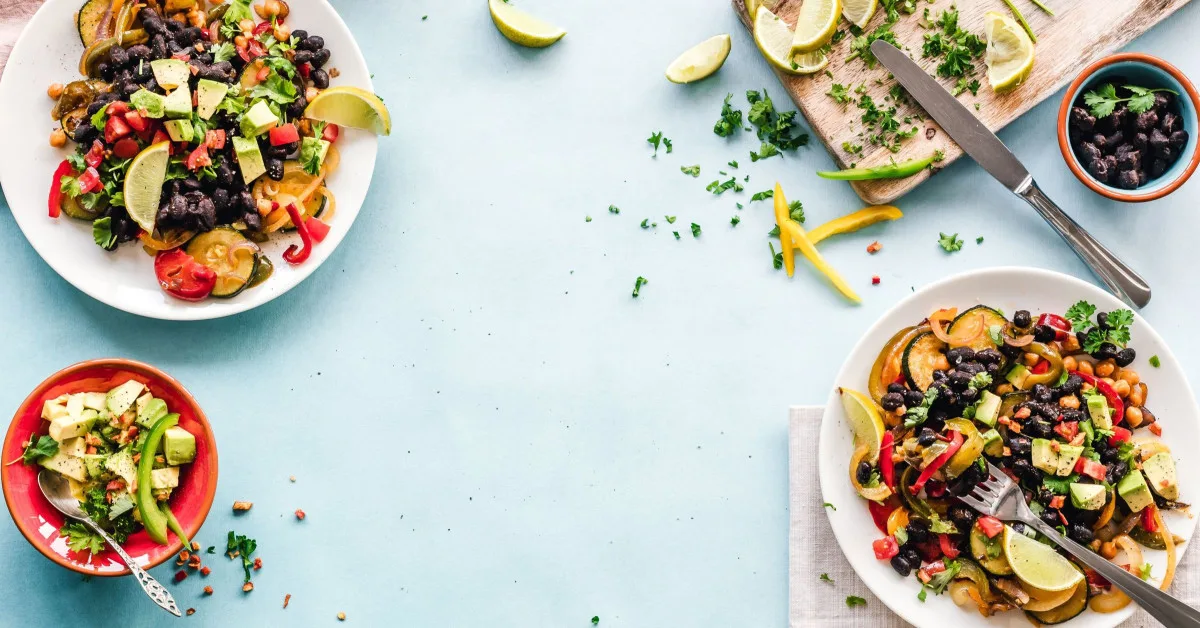
There are no six perfect foods for weight loss. Apples do not melt fat, chillies do not cancel a meal, and one lean protein does not suit every culture, budget or body. Weight changes reflect an overall pattern shaped by food, drinks, activity, sleep, health conditions, medicines, stress, access and time.
A more useful approach is to keep several flexible building blocks available. They can be combined in familiar meals rather than eaten as a prescribed list. The CDC guide to healthier meals and snacks emphasizes planning, food variety, protein foods, vegetables and fruit, fibre-rich grains and appropriate fats.
1. Vegetables you will actually eat
Fresh, frozen and low-sodium canned vegetables can all be practical. Choose familiar options and vary colour and preparation over time: roasted carrots, frozen peas, leafy greens, tomato-based dishes, stir-fried cabbage or a vegetable soup. The aim is not to force a giant raw salad into every day.
Vegetables can add flavour, texture, nutrients and volume to a meal. The CDC explains how fruit and vegetables can replace some higher-calorie ingredients. Simply adding them on top of everything else may not reduce total intake, so think about the whole plate.
2. Whole fruit in convenient forms
Whole fruit can be fresh, frozen or canned without heavy syrup. An apple is portable, but berries, citrus, melon, pears, mango and culturally familiar fruits are equally valid choices. Pairing fruit with yoghurt, nuts or another protein-containing food may make a snack more substantial.
Juice and dried fruit are more concentrated and easier to consume quickly, so serving size matters. That does not make them forbidden. Use the form that fits the meal and your health needs, and avoid attaching moral labels to food.
3. Beans, peas and lentils
Legumes can contribute protein, fibre and texture at modest cost. They work in soups, curries, salads, tacos, rice dishes and spreads. Canned versions are convenient; draining and rinsing can reduce some sodium. Increase fibre gradually if your current intake is low.
People with digestive disease, food allergy, kidney-related dietary limits or a prescribed meal plan may need different choices. General guidance cannot replace their clinical or dietetic plan.
4. Whole-grain or other satisfying starches
Oats, brown rice, whole-grain bread, barley and whole-wheat pasta offer fibre, but a meal does not fail when it includes white rice, potatoes, maize or another staple. Portion, preparation and what accompanies the starch matter. A sustainable pattern should respect culture and availability.
The NIDDK adult health guide recommends choosing whole grains more often, not pretending one grain automatically produces weight loss. Read labels when useful and compare serving size, fibre, sodium and added sugars in packaged products.
5. Protein foods that fit the person
Options include fish, poultry, eggs, lean meat, tofu, tempeh, beans, lentils, nuts, seeds and other soy foods. Protein can help make a meal complete, but more is not always better. Cooking method, accompanying foods, kidney function and total dietary pattern affect what is appropriate.
Rotate choices when practical instead of treating chicken or fish as a compulsory “diet food.” Plant and animal sources can both fit; the useful question is whether the meal is satisfying, varied and workable over time.
6. Dairy, fortified alternatives or another planned source
Milk, yoghurt and cheese can provide protein and nutrients. Fortified soy alternatives may serve a similar role for some people, while other plant drinks differ widely in protein and fortification. Check the label and choose according to allergies, preferences, culture and professional advice.
This building block may look different in a dairy-free diet. The point is to notice what a removed food used to contribute and replace it deliberately rather than assume every substitute is nutritionally identical.
Practical takeaway
Choose two building blocks to make easier this week: perhaps frozen vegetables and canned beans, or fruit and yoghurt for a portable snack. Combine them with familiar staples and flavours. No ingredient burns fat, but a varied pattern that is affordable, satisfying and repeatable can support broader health and an individualized weight-management plan.
Sources
- How to Have Healthier Meals and Snacks, Centers for Disease Control and Prevention
- Health Tips for Adults, National Institute of Diabetes and Digestive and Kidney Diseases
- Tips for Increasing Vegetables and Fruits in Your Diet, Centers for Disease Control and Prevention
Continue reading
Related articles
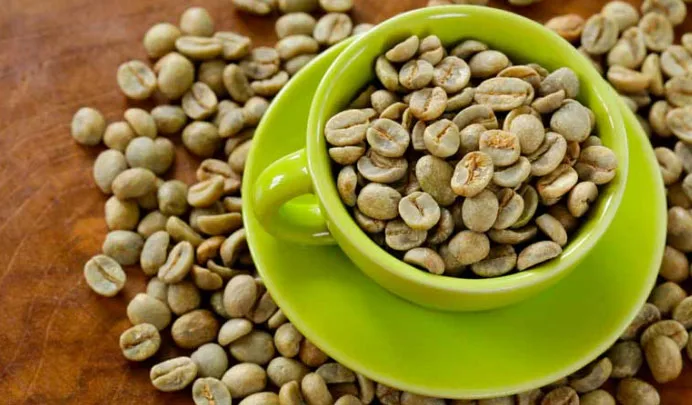
Green Coffee and Weight Loss: What the Evidence Actually Shows
Green coffee is often sold as a shortcut for weight loss, but extracts, drinks and ordinary coffee are not interchangeable. Understand the limited evidence, caffeine concerns and product-safety questions.
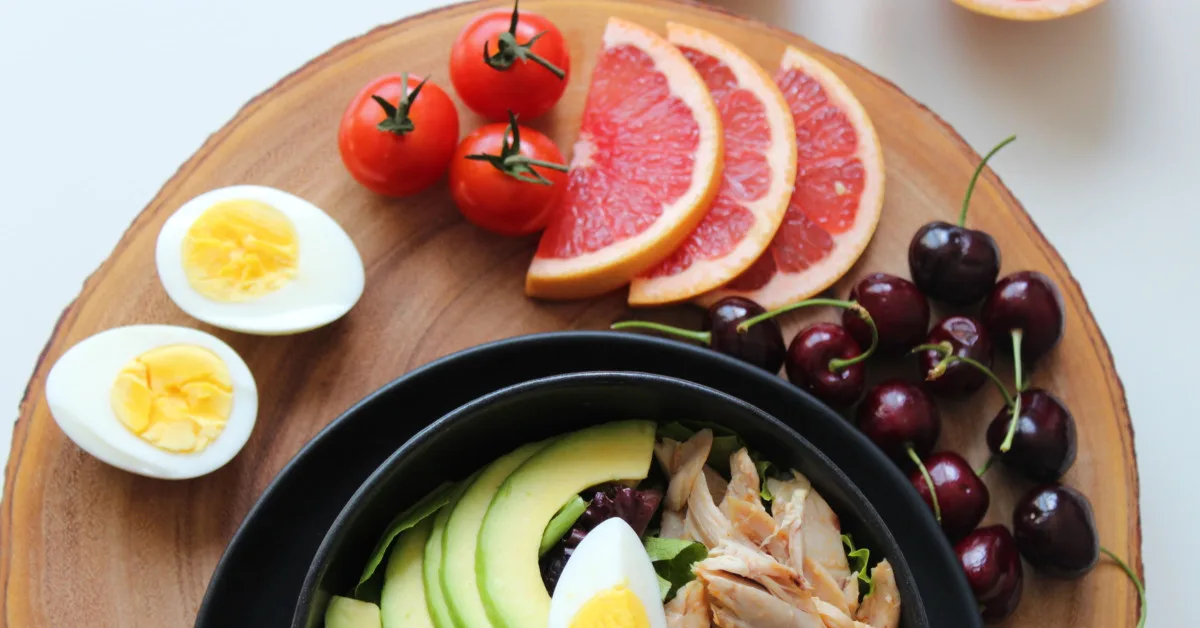
Three Satisfying Dinner Templates for Everyday Weight Management
A useful dinner is satisfying, practical and suited to the person—not merely “light.” Try three flexible meal templates that combine vegetables, protein, carbohydrates and flavour.
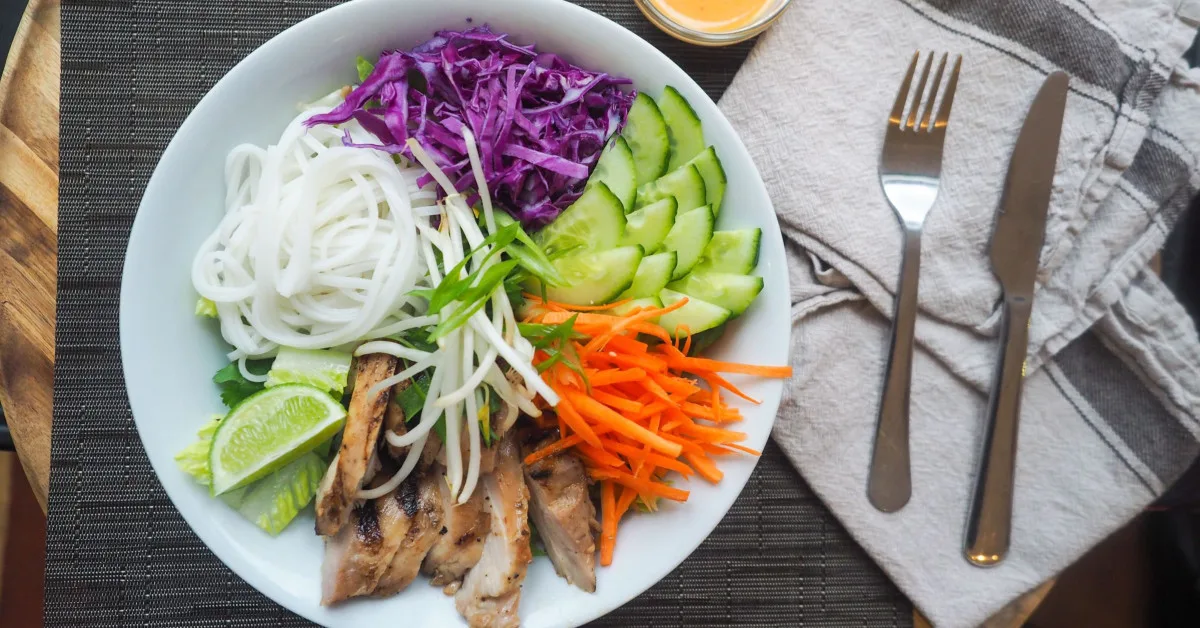
How to Build a Satisfying Salad for a Balanced Meal
An “ideal” salad depends on appetite, culture and health needs. Build a satisfying meal with vegetables, protein, a useful carbohydrate and enough dressing or texture to enjoy it.