Three Satisfying Dinner Templates for Everyday Weight Management
A useful dinner is satisfying, practical and suited to the person—not merely “light.” Try three flexible meal templates that combine vegetables, protein, carbohydrates and flavour.
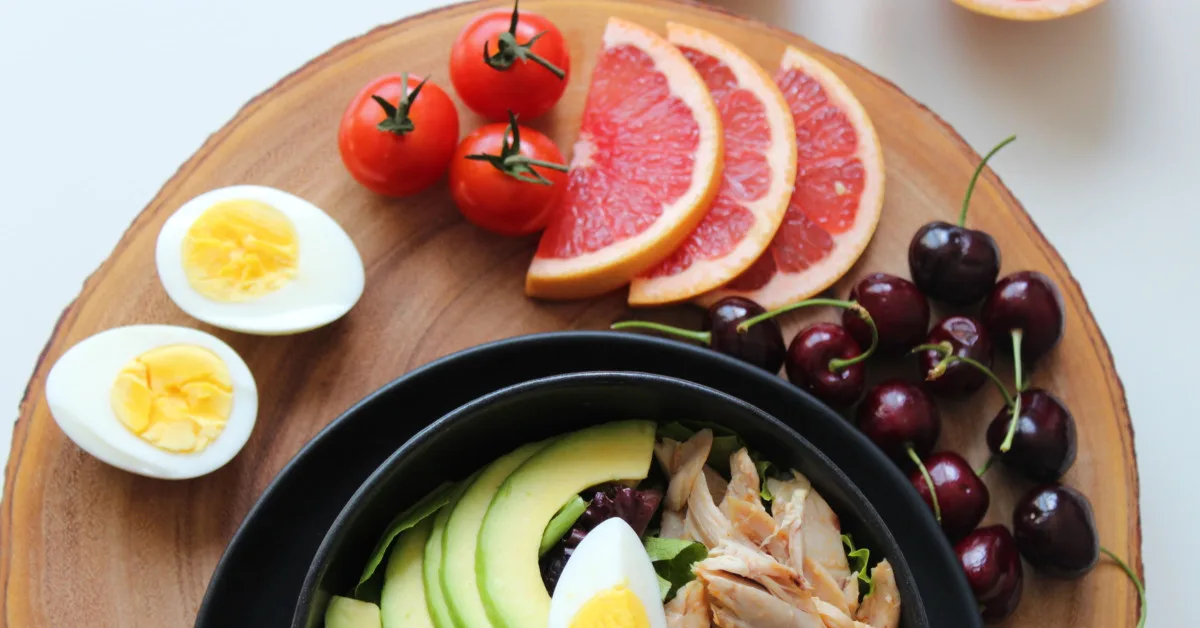
A dinner does not need to be tiny, bland or carbohydrate-free to support weight management. Hunger varies with body size, activity, health, medicines and what someone ate earlier. A meal that is too small may leave a person distracted or searching for snacks later, while an elaborate “perfect” dinner may be impossible on a work night.
Templates are more adaptable than rigid recipes. Start with a vegetable or fruit, add a protein food, include a grain or starchy food that fits your needs, and use enough flavour to make the meal worth repeating. The CDC guide to healthier meals and snacks treats planning and variety as practical tools across home, work and restaurant settings.
Template 1: a grain or potato bowl
Build a base from rice, barley, quinoa, noodles, potatoes or another familiar starch. Add cooked or raw vegetables and a protein such as beans, lentils, tofu, egg, fish, poultry or lean meat. Finish with herbs, spices, citrus, yoghurt, salsa or a measured dressing.
A bowl works because components can be prepared separately and combined according to appetite. Frozen vegetables and canned beans make the format possible without extensive preparation. Leftover roasted vegetables or protein can become tomorrow’s lunch, reducing the pressure to cook from zero every evening.
Portions need not match a photograph. Someone training that day may want more carbohydrate; someone managing a medical condition may have a prescribed amount. Start with a reasonable plate, eat attentively when possible and adjust future portions based on hunger, fullness and the wider plan.
Template 2: a tray meal with a simple side
Roast or bake a protein and one or two vegetables on a tray, using timing and spacing appropriate to each ingredient. Examples include chickpeas with cauliflower, fish with green beans, tofu with peppers, or chicken with carrots. Add bread, rice, corn, potatoes or fruit if the meal needs more substance.
Oil, sauces and cheese can bring flavour and help with satisfaction. They also contribute energy, so pouring without noticing can change the meal more than expected. This is not a reason to remove all fat. Use an amount that supports taste and fits the overall eating pattern.
The NIDDK overview of eating and activity for weight management emphasizes a varied plan that can be maintained over time. Repetition can be helpful: change the seasoning or vegetable while keeping the preparation method familiar.
Template 3: soup, stew or curry plus texture
A bean soup, lentil curry, vegetable stew, fish soup or chicken-and-vegetable broth can combine several food groups in one pot. Include enough protein and starch to make it a meal rather than a thin starter. Add whole-grain bread, rice, a small salad, yoghurt or fruit according to the dish and appetite.
Large batches can support busy days, but cool and store leftovers safely. Canned soup and prepared sauces can be useful; compare serving sizes and sodium when that matters to your health. A convenience ingredient does not invalidate an otherwise balanced meal.
Do favourite foods still fit?
Yes. The NIDDK review of common nutrition myths explains that favourite higher-calorie foods can appear in smaller amounts within a weight-management plan. Dinner does not require a separate “diet” version while everyone else eats the normal meal.
Think about frequency, portion and context. Pizza might be paired with vegetables or fruit; a creamy curry might be served in an amount that leaves room for other foods. Restrictive rules can be especially risky for someone with an eating-disorder history or symptoms. Individual support from a clinician or registered dietitian is more appropriate than further restriction.
Practical takeaway
Pick one template and make it easy: keep a frozen vegetable, a convenient protein and a familiar starch available. Aim for a dinner that is satisfying and repeatable, not the smallest meal you can tolerate. Adjust the components to culture, budget, appetite and medical needs, and judge progress by the wider pattern rather than one plate.
Sources
- How to Have Healthier Meals and Snacks, Centers for Disease Control and Prevention
- Eating and Physical Activity to Lose or Maintain Weight, National Institute of Diabetes and Digestive and Kidney Diseases
- Some Myths about Nutrition and Physical Activity, National Institute of Diabetes and Digestive and Kidney Diseases
Continue reading
Related articles
Six Flexible Food Building Blocks for Balanced Weight Management
No food burns fat or guarantees weight loss. These six flexible food groups can help build varied, satisfying meals without turning ordinary ingredients into miracle products.
How to Build a Satisfying Salad for a Balanced Meal
An “ideal” salad depends on appetite, culture and health needs. Build a satisfying meal with vegetables, protein, a useful carbohydrate and enough dressing or texture to enjoy it.
Green Coffee and Weight Loss: What the Evidence Actually Shows
Green coffee is often sold as a shortcut for weight loss, but extracts, drinks and ordinary coffee are not interchangeable. Understand the limited evidence, caffeine concerns and product-safety questions.