How to Build a Satisfying Salad for a Balanced Meal
An “ideal” salad depends on appetite, culture and health needs. Build a satisfying meal with vegetables, protein, a useful carbohydrate and enough dressing or texture to enjoy it.
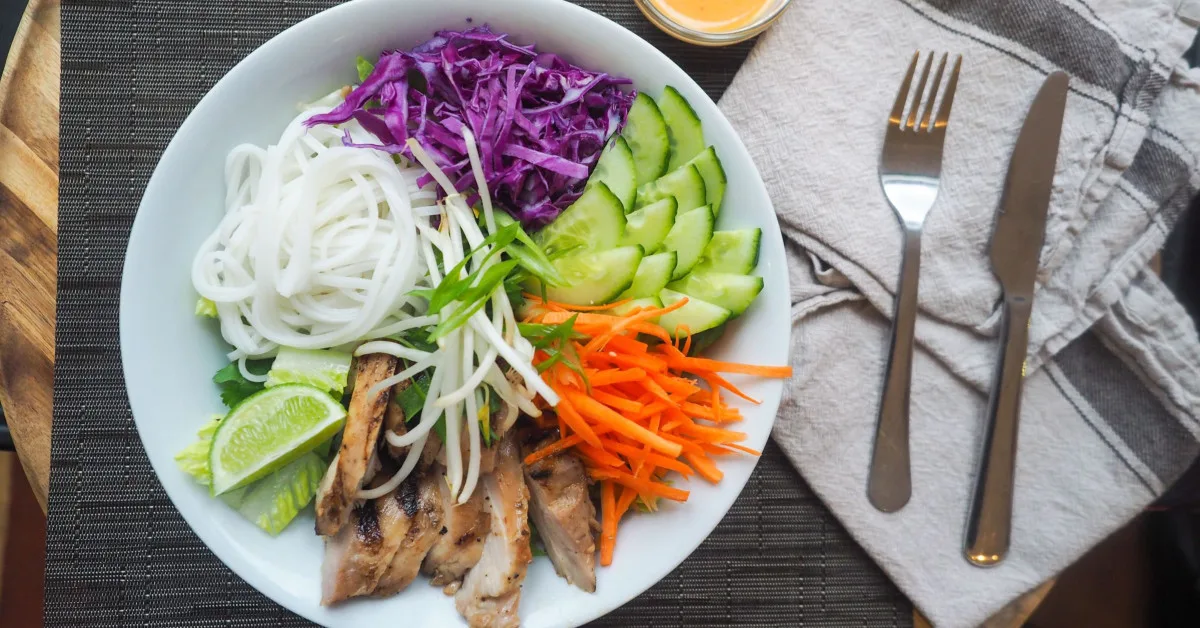
A bowl of leaves is not automatically a balanced meal, and a salad loaded with enjoyable ingredients is not automatically a problem. The useful question is whether it provides enough variety, substance and satisfaction for the person eating it. Appetite, activity, climate, culture, budget and health needs all change the answer.
Salads can help add vegetables and fruit to an eating pattern. The CDC explains that vegetables and fruits provide water, fibre and nutrients and may replace some higher-calorie ingredients. That does not make every salad low in energy or require salad to replace every familiar meal.
Start with a base that has character
Leafy greens are one option, not a requirement. A base can include cabbage, tomatoes, cucumber, carrots, peppers, roasted vegetables, green beans, beetroot or a mix. Grain salads and bean salads may use only a handful of leaves. Choose ingredients that are available and that you genuinely like.
Different preparation changes the experience. Raw cabbage brings crunch, roasted pumpkin brings sweetness, and blanched vegetables may be easier for some people to eat. Frozen or canned vegetables can be useful where fresh produce is expensive or short-lived. Drain or rinse canned items when sodium is a concern.
Add a clear protein component
A meal salad usually needs more than vegetables. Add beans, lentils, chickpeas, tofu, tempeh, egg, fish, poultry, lean meat, yoghurt-based components, nuts or seeds according to preference. Protein does not guarantee fullness for everyone, but it contributes structure and can make the salad feel like a meal.
The CDC guide to healthier meals and snacks recommends a variety of protein foods rather than a single approved diet ingredient. Rotate choices and consider preparation: fried toppings, heavily sweetened glazes and very large portions can change the whole dish, while a small amount may still fit.
Include a carbohydrate when it helps
Potatoes, corn, rice, barley, quinoa, pasta, bread or fruit can make a salad more satisfying and appropriate for an active day. Carbohydrates are not disqualified after a certain hour. The amount can be adjusted to appetite, activity, the other meal components and any individualized medical plan.
A salad that omits carbohydrate and leaves someone hungry an hour later is not necessarily more effective. Notice the full eating pattern rather than awarding points for the lightest possible bowl.
Use dressing deliberately, not fearfully
Dressing carries flavour and can include oils, yoghurt, tahini, nut butter, citrus, vinegar, herbs and spices. Oils and seed or nut pastes are energy-dense, so the poured amount can matter when weight management is a goal. They also help make vegetables palatable and contribute useful fats.
Measure once if you are unsure what your usual pour looks like, then decide what amount gives enough coverage and enjoyment. A completely dry salad that feels punitive is unlikely to become a reliable meal. The NIDDK adult health guidance includes oil-based dressings among practical choices while placing them within an overall pattern.
Add contrast and a finishing flavor
Crunch can come from seeds, nuts, toasted chickpeas or crisp vegetables. Sweetness may come from fruit or roasted vegetables. Fresh herbs, pickles, chilli, citrus zest and spices can change a simple base without requiring a complicated recipe. Cheese, olives and prepared toppings can fit; notice sodium and portion if those are relevant.
For a portable salad, keep dressing and crunchy ingredients separate until eating. If the meal will sit unrefrigerated, choose storage and timing that keep perishable ingredients safe. People with allergies, swallowing difficulty, kidney disease, diabetes, digestive conditions or a prescribed diet need adaptations beyond a general formula.
Practical takeaway
Build your next meal salad in four moves: a vegetable base, a clear protein, a suitable carbohydrate and a dressing or finishing flavour. Adjust the amounts to appetite and the wider eating pattern. A satisfying salad can support variety and planning, but there is no universal “ideal” bowl and no ingredient combination that guarantees weight loss.
Sources
- Tips for Increasing Vegetables and Fruits in Your Diet, Centers for Disease Control and Prevention
- How to Have Healthier Meals and Snacks, Centers for Disease Control and Prevention
- Health Tips for Adults, National Institute of Diabetes and Digestive and Kidney Diseases
Continue reading
Related articles
Three Satisfying Dinner Templates for Everyday Weight Management
A useful dinner is satisfying, practical and suited to the person—not merely “light.” Try three flexible meal templates that combine vegetables, protein, carbohydrates and flavour.
Can You Lose Weight Without Banning Favorite Foods?
Favorite foods can fit in some weight-management plans, but “eat everything” does not mean unlimited amounts. A flexible pattern considers portions, frequency, satisfaction and health needs.
Six Flexible Food Building Blocks for Balanced Weight Management
No food burns fat or guarantees weight loss. These six flexible food groups can help build varied, satisfying meals without turning ordinary ingredients into miracle products.