Sport and Weight Management Across Life: Start Safely and Build Consistency
Sport can support health and enjoyment at many ages, but one plan does not fit children, adults and older adults. Choose appropriate activity, start gradually and value benefits beyond weight.
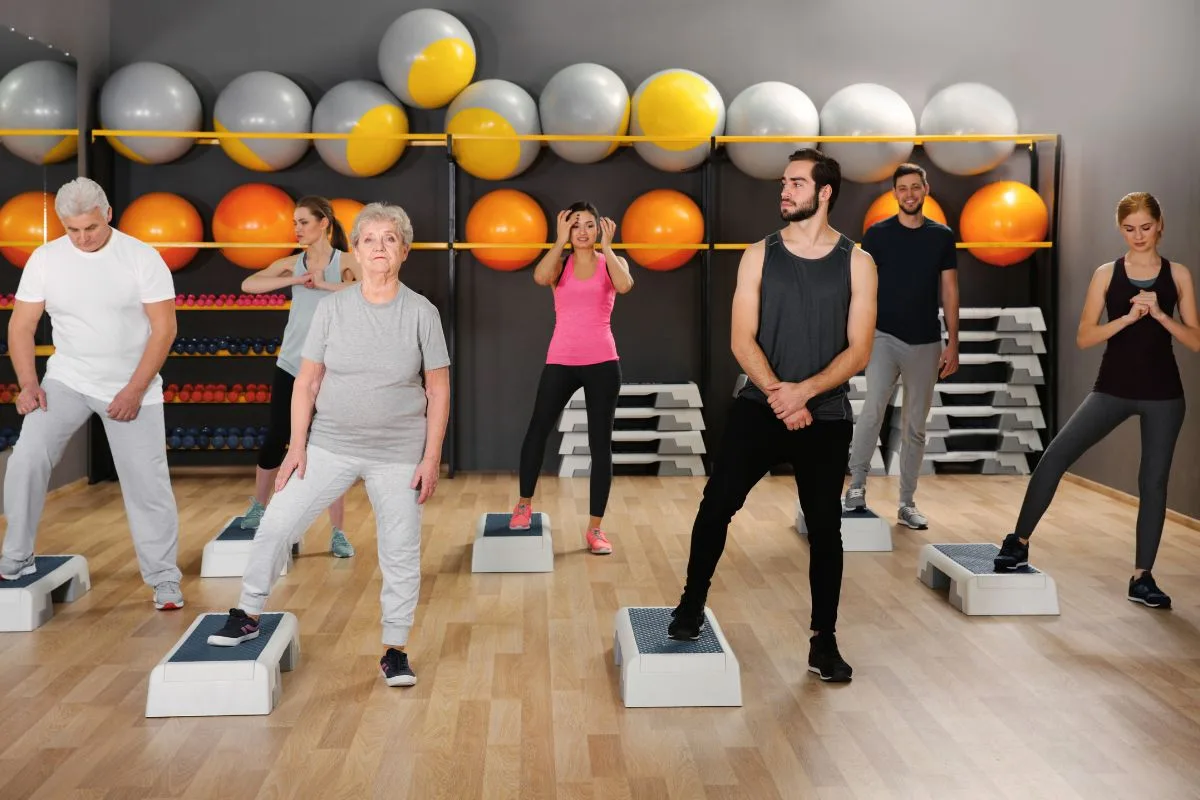
Sport can add movement, skill, friendship and enjoyment to life. It can support a weight-management plan for some adults, but the health benefits do not depend on achieving a particular body size. A child’s sport should never be designed as an adult weight-loss programme, and an older adult may need different priorities from a younger competitor.
The CDC’s physical activity recommendations vary by age and circumstance. Preschool children need active play, school-age children and adolescents need varied daily activity, adults need a weekly mix of aerobic and muscle-strengthening work, and older adults also benefit from balance activity. Disability, pregnancy and chronic conditions can require adaptation.
Begin with the reason you want to move
Possible reasons include enjoyment, social connection, strength, mobility, stress relief, competition, blood-pressure care or weight management. Choose a sport that serves more than one reason. If the only reward is a changing number on the scale, motivation may disappear during normal plateaus.
For children and teenagers, emphasize fun, skills, friendships and development rather than calories or body shape. Growth and puberty change bodies, and weight concerns should be handled by qualified pediatric professionals without shaming or restrictive coaching.
Match the activity to current ability
A beginner does not need to copy a team training plan. Walking football, recreational swimming, doubles racquet games, cycling, dance, adapted sport and informal games may be easier starting points than a competitive league. Consider access, transport, equipment, schedule and whether the environment feels welcoming.
The NIDDK guide to staying active at any size stresses that people can gain health benefits even without weight loss. Clothing, equipment and facilities should fit the participant rather than requiring the participant to earn a place.
Increase one variable at a time
Frequency, duration and intensity all add training load. Increase one gradually while the others remain stable. A first week might include two short sessions at a conversational effort. Add time before speed when that feels appropriate, and allow recovery between unfamiliar or strenuous sessions.
Warm-up and skill instruction can make a session more manageable, but no routine eliminates injury. Suitable footwear, equipment and playing surfaces also deserve attention. Sudden or severe pain, chest pressure, fainting, marked breathlessness or neurological symptoms require prompt attention. Existing heart, metabolic, joint or balance concerns may warrant a clinician or qualified exercise professional before vigorous sport.
Include strength and balance
A sport may provide plenty of aerobic movement while doing little for some muscle groups. Adults can add appropriate resistance work, while older adults may also practise balance. Children can build strength through age-appropriate play and supervised activities rather than adult bodybuilding plans.
Rest, sleep and food support participation. Training while chronically under-fuelled can reduce performance, affect mood and increase health risks. Sport should not be used to compensate for eating, and pain should not be treated as proof of commitment.
Understand what affects weight
The NIDDK overview of factors affecting weight and health includes sleep, medicines, health conditions, genes, environment and family habits alongside food and activity. Sport changes one part of that system; it does not guarantee a particular rate of loss.
Track outcomes that match your reason for participating: attendance, distance, skill confidence, recovery, blood-pressure advice or enjoyment. If weight is a medically appropriate measure, review it at a frequency that informs care without dominating daily life.
Practical takeaway
Choose one activity you are willing and able to repeat, schedule two realistic sessions, and finish the first fortnight wanting to continue. Adjust for age, disability, health and experience; add strength or balance where the sport does not provide it. Let health, skill and enjoyment count even when weight changes slowly or not at all.
Sources
- What You Can Do to Meet Physical Activity Recommendations, Centers for Disease Control and Prevention
- Staying Active at Any Size, National Institute of Diabetes and Digestive and Kidney Diseases
- Factors Affecting Weight and Health, National Institute of Diabetes and Digestive and Kidney Diseases
Continue reading
Related articles

Cross-Training for a More Balanced Fitness Routine
Cross-training adds different kinds of movement around your main activity. Done thoughtfully, it can make a week more varied, manageable and complete without turning every day into hard training.

Intimacy, Physical Activity and Weight: Keep Calorie Claims in Perspective
Sexual activity uses energy, but narrow studies do not justify calorie tables, position rankings or weight-loss promises. Put consent, comfort, pleasure and health ahead of exercise metrics.
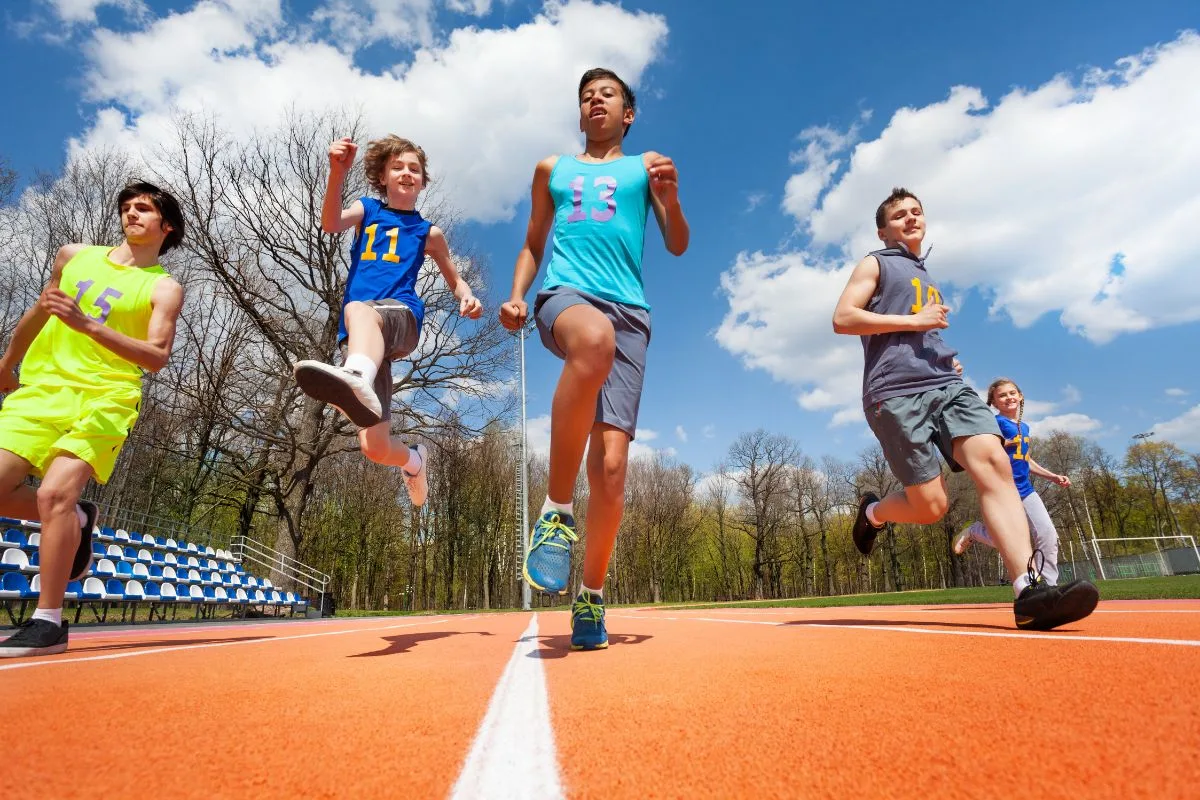
Choosing a Sport for a Young Person: Interest, Access and Safety First
There is no single best sport for a young starter. Begin with the young person’s interests, access needs and safety, then look for supportive coaching, varied movement and room to change course.