Choosing a Sport for a Young Person: Interest, Access and Safety First
There is no single best sport for a young starter. Begin with the young person’s interests, access needs and safety, then look for supportive coaching, varied movement and room to change course.
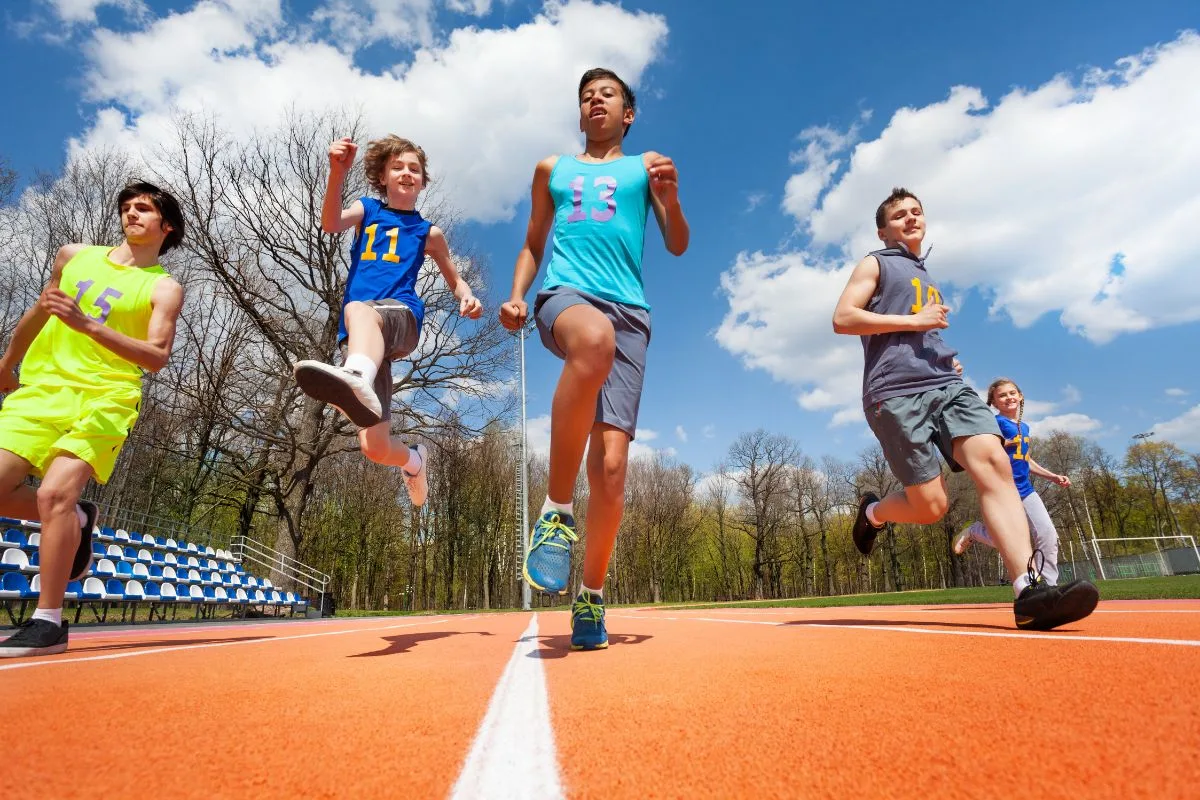
The best first sport is not the one with the most scholarships, the toughest training or the earliest selection programme. It is an activity a young person has a fair chance to enjoy, learn and continue safely. Interest can change, and trying several activities is a normal part of development.
Adults control many of the conditions around youth sport: cost, transport, coaching, schedule, equipment, safeguarding and how success is discussed. Choosing well means evaluating the programme as carefully as the sport itself.
Start with the young person’s voice
Ask what looks fun, whether they prefer a team or individual activity, how they feel about competition, and whether friends or family involvement matters. Watching a session or trying a short introductory programme can provide more information than an adult prediction about talent.
A child may enjoy swimming but dislike racing, or love football informally but not want a league. Recreation still counts. The federal National Youth Sports Strategy guidance emphasizes fun, inclusion, skill development, youth decision-making and sport sampling rather than early performance pressure.
Check whether access is real
Calculate the full cost of fees, equipment, travel, uniforms and time. Ask whether loan equipment, reduced fees, public transport or a community programme is available. A sport that strains housing, food or family stability is not automatically the best opportunity.
For a disabled young person, ask how the programme adapts communication, facilities, rules and equipment. Inclusion is more than allowing registration. Coaches should be willing to understand the participant’s needs and create meaningful involvement.
Observe the coaching culture
Good signs include clear safeguarding rules, age-appropriate instruction, equal respect, reasonable practice loads, hydration and rest, and a way to report concerns. Coaches should explain feedback without humiliation and should not make food, weight or body-shape comments outside qualified care.
Ask how the organization screens and trains adults, handles bullying and misconduct, communicates with caregivers, manages injuries and responds to complaints. A winning record does not compensate for intimidation, secrecy or unsafe return-to-play pressure.
Value variety and development
The CDC’s age-based activity recommendations call for varied enjoyable movement. Running, jumping, balancing, throwing, catching and changing direction can develop across free play and several sports. A young person does not need a professional-style schedule to become active or skilled.
Sampling activities can reduce monotony and help a young person discover what suits them. Specialization decisions depend on the sport and individual, but promises that year-round intensive training guarantees future success deserve caution. Watch for persistent pain, declining enjoyment, sleep problems, anxiety or exhaustion.
Know the concussion boundary
Every sport should have an injury plan. The CDC HEADS UP response guidance says an athlete with possible concussion signs or symptoms should be removed from participation immediately, kept out that day and not return until cleared by a healthcare provider. Adults should not try to judge severity from the sideline.
Emergency danger signs after a head or body impact require urgent care. Return to school and sport should follow individualized medical guidance. A player’s importance to a match never overrides brain safety.
Review the fit after the novelty fades
After several weeks, ask the young person what they enjoy, what feels hard and whether they feel safe with teammates and adults. Separate ordinary learning frustration from fear, pain or sustained distress. Leaving one programme is not giving up on physical activity; another coach, level or activity may fit better.
Practical takeaway
Shortlist two accessible activities, let the young person observe or try them, and ask each programme about safeguarding, coaching, costs, inclusion and injury response. Choose the environment that supports enjoyment and learning. The goal is a safe, positive relationship with movement—not an adult timetable for producing an athlete.
Sources
- National Youth Sports Strategy Questions and Answers, Office of Disease Prevention and Health Promotion
- What You Can Do to Meet Physical Activity Recommendations, Centers for Disease Control and Prevention
- Responding to a Sports-related Concussion, CDC HEADS UP
Continue reading
Related articles
Sport and Weight Management Across Life: Start Safely and Build Consistency
Sport can support health and enjoyment at many ages, but one plan does not fit children, adults and older adults. Choose appropriate activity, start gradually and value benefits beyond weight.
Athletics Throwing Events: Shot Put, Discus, Hammer and Javelin
The standard English term is “throwing events.” Learn how shot put, discus, hammer and javelin differ in equipment, competition area and what makes an attempt valid.
How to Get Fit for Soccer: A Practical Training Guide
Soccer fitness grows from regular ball work, general conditioning, strength, recovery and a sensible warm-up—not from one punishing workout. Use this framework to build a week you can repeat.