How to Get Fit for Soccer: A Practical Training Guide
Soccer fitness grows from regular ball work, general conditioning, strength, recovery and a sensible warm-up—not from one punishing workout. Use this framework to build a week you can repeat.
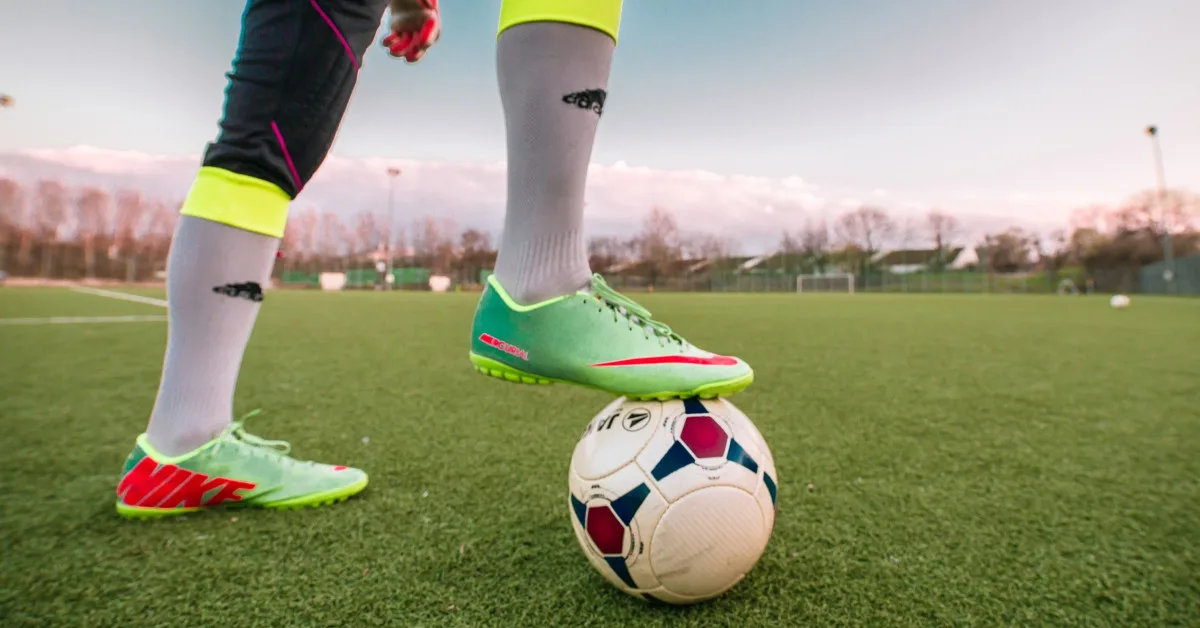
Getting fit for soccer is not the same as spending every session running until you are exhausted. A match asks you to jog, accelerate, slow down, change direction, recover and make decisions with the ball. A useful plan develops those qualities gradually and still leaves enough energy to practise the game itself.
Start from what you can do now. If you have been inactive, build a general movement habit before copying an experienced player’s schedule. The Physical Activity Guidelines for Americans advise inactive adults to begin with small amounts and increase over time. They also encourage a mix of aerobic and muscle-strengthening activity rather than relying on one kind of exercise.
Build the week around soccer
Ball sessions are the most specific part of the plan. Dribbling in a small space, passing against a wall, receiving with both feet and playing a small-sided game develop movement and technique together. General fitness work should support those sessions, not crowd them out.
A recreational player might begin with this flexible pattern:
- Two soccer sessions: technical practice, a coached session or a game.
- One easy aerobic session: brisk walking, cycling or relaxed jogging at a conversational effort.
- Two short strength sessions: basic lower-body, pushing, pulling, trunk and balance work.
- At least one easier day: complete rest or comfortable movement, depending on how you feel.
This is an example, not a prescription. Work, age, training history, match demands and health all affect what is reasonable. Add one session or a few minutes at a time instead of increasing frequency, duration and intensity together.
Develop an aerobic base
Easy aerobic work helps you tolerate more total movement without turning every session into a race. Choose an activity you can sustain while speaking in sentences. Begin with a duration that leaves you feeling capable of repeating the session later in the week. Over several weeks, extend it in small steps.
Once that base feels comfortable, introduce brief faster efforts. For example, alternate a short controlled run with a longer walk or easy jog. Stop the interval set while your movement is still coordinated. Harder is not automatically more soccer-specific.
Use strength to support movement
Soccer involves repeated force through the hips, knees, ankles and trunk. A simple strength session can include a squat or chair stand, a hip hinge, a split-stance movement, a calf raise, a push, a row and a controlled carry. Begin with versions you can perform smoothly. Body weight, resistance bands or modest external loads can all work.
Balance and landing control also deserve attention. Practise standing on one leg near stable support, stepping and holding your position, and landing softly from a very small hop only when that is appropriate for you. A coach or qualified exercise professional can help adjust technique and progression.
Warm up for the work ahead
A warm-up should move from easy activity toward the actions in the session. Start with light movement, then include controlled running, balance, strength and changes of direction before faster football actions. FIFA treats structured football warm-ups as part of its injury-prevention work. The public FIFA Training Centre also offers coach-developed sessions with warm-up guidance, progressions and safety instructions.
A warm-up reduces risk; it does not make anyone injury-proof. Avoid claiming that a few stretches will prevent every strain or sprain. If a club uses a structured programme, learn it from a coach who can teach the movements accurately.
Protect recovery and notice warning signs
Keep at least one easier day after a demanding game or training session. Regular meals, fluids and sufficient sleep are more useful foundations than complicated recovery products. Record what you did and how you felt; a short note can reveal when several hard days have accumulated.
Stop activity for chest pain, faintness, severe shortness of breath, sudden weakness or an acute injury, and seek appropriate medical help. Persistent pain, swelling or repeated symptoms deserve individual assessment. Anyone returning after illness, surgery or a long break, or managing a health condition, should ask a qualified health professional what training is suitable.
Practical takeaway
Plan two manageable soccer sessions, one easy aerobic session and two brief strength sessions, with easier days between demanding work. Repeat that structure until it feels familiar, then change only one variable. Soccer fitness is built by weeks you can sustain, not by a single heroic workout.
Sources
- Physical Activity Guidelines for Americans, 2nd edition, U.S. Department of Health and Human Services
- Injury prevention and health promotion, FIFA
- Train like a pro with the FIFA Training Centre, FIFA
Continue reading
Related articles

Movement Breaks for Desk-Bound Days
A workout does not erase every long spell of sitting. Small, frequent movement breaks can fit around focused work without requiring equipment or a change of clothes.
Swim Training Basics for New Lap Swimmers
Lap swimming becomes less intimidating when you know the lane etiquette, start with generous rests and focus on calm technique. Build a pool routine one short repeat at a time.

Choosing a Sport for a Young Person: Interest, Access and Safety First
There is no single best sport for a young starter. Begin with the young person’s interests, access needs and safety, then look for supportive coaching, varied movement and room to change course.