Independent footwear checklist
Work and nursing shoes: questions to ask before buying
Start with your employer's requirements. The adjacent AI illustration shows ventilated casual clogs, not footwear assessed or approved for nursing, kitchen, clinical or other workplace use. Check permitted openings, coverage and other requirements with your employer. This guide does not approve a shoe for your workplace.
Read the full guide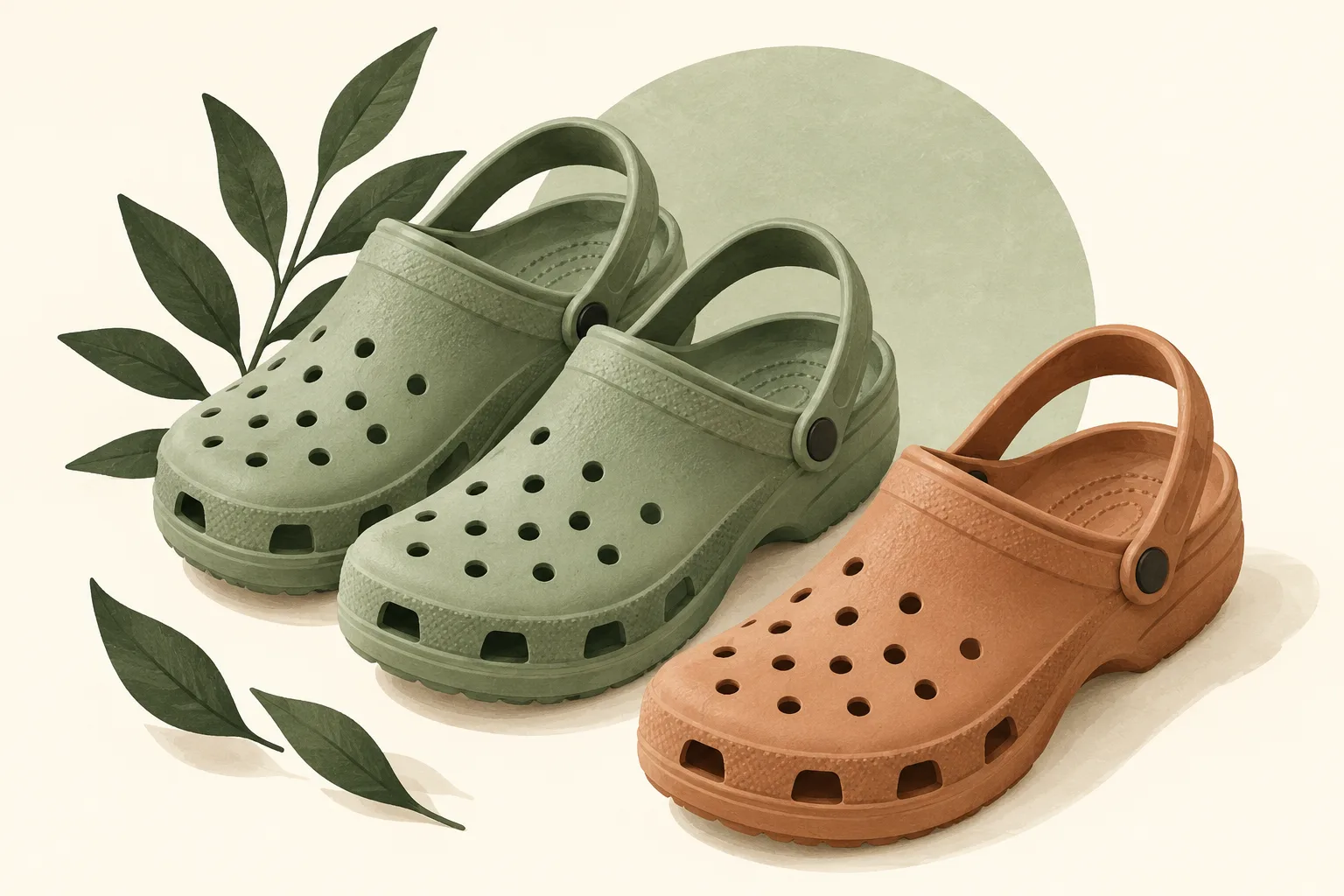
Start with these conversations
Ask your employer
Confirm the rules for your role, work area and cleaning process.
Ask the supplier
Match the model code to the specifications and relevant test conditions.
Choosing shoes for work starts with the job's requirements. If you are considering Crocs or another brand for a nursing shift, kitchen, clinic or other workplace, confirm the exact footwear rules with your employer before comparing styles or prices. A brand name, a comfortable first impression or the word “work” on a listing does not establish suitability for your role.
This is an independent checklist for discussions with an employer and supplier, not an approved-shoe list, medical recommendation or safety certification. CrocsDeal is not affiliated with or endorsed by Crocs, Inc. We have not conducted workplace trials of the shoes discussed, and this page is ad-free pending the publisher's review.
Get the requirements in writing
Ask your manager, occupational-health team or safety representative which requirements apply to your role and location. Request a current written policy or approved-product list if one exists. A colleague's preference can start a conversation, but it does not replace the employer's decision.
- Are there requirements for toe and heel coverage, fastening or upper openings?
- Which flooring, liquids or other contaminants must be considered?
- Is protective footwear required, and which specifications must the exact model meet?
- What cleaning or infection-control procedure must the footwear tolerate?
- Does the employer provide footwear, arrange fittings or require approval before purchase?
These are questions, not universal rules for all nurses or workplaces. Do not infer approval of a particular clog from this list.
Ask for evidence about the exact model
Record the manufacturer's product name and code, then ask the supplier for the specifications relevant to the employer's requirements. Check that the documents describe that exact model, not a similar-looking shoe or a broad collection. Take any uncertainty back to the person responsible for your workplace's selection process.
The UK Health and Safety Executive's guidance on slip-resistant footwear explains that performance depends on the conditions: footwear suited to wet surfaces may not suit oily conditions. It also distinguishes an oil-resistant sole from slip resistance. These points help frame questions; they do not certify a product or determine the rules outside the UK.
A claim such as “slip-resistant” is not a promise that a fall cannot happen. Ask which test conditions support the claim and how those conditions relate to the actual workplace. HSE recommends considering workplace trials rather than relying only on brochures or laboratory results. Any trial should follow the employer's process, not an improvised test on a hazardous floor.
Plan a fitting without making health promises
Once the employer has confirmed the appropriate options, check the model's sizing information and arrange a fitting where possible. Bring the socks or other items you normally wear with work shoes if the fitting process permits. Ask how to report pressure, heel movement or other concerns before committing to prolonged use.
No guide can promise comfort through an entire shift or that a shoe will prevent or treat pain. Discuss persistent discomfort, injuries or an individual health need with an appropriate qualified professional. Do not modify required footwear or substitute an insole without checking the relevant instructions and workplace process.
Keep a simple footwear record
Save the model code, employer confirmation, fitting notes, supplier information and care instructions together. HSE notes that wear and clogged tread can affect slip resistance; follow the workplace's checking, cleaning and replacement arrangements. Do not assume a new pair and a worn pair will perform identically.
For general preparation, see our size and fit guide, care guide and buying checklist. Those pages support a purchase discussion; they do not override the requirements for your job. Contact us if a reference or statement on this page needs correction.