Can You Lose Weight Without Banning Favorite Foods?
Favorite foods can fit in some weight-management plans, but “eat everything” does not mean unlimited amounts. A flexible pattern considers portions, frequency, satisfaction and health needs.

“Eat everything and still lose weight” can mean two very different things. A flexible plan may include favorite foods without declaring them forbidden. It does not mean that quantity, drinks, preparation and frequency stop mattering. The useful middle ground is permission with awareness, not rigid restriction or an unlimited promise.
Weight is influenced by more than willpower. Medicines, health conditions, sleep, stress, genetics, age, environment, income and food access can all affect it. Some people do not need to pursue weight loss at all, and a scale alone cannot define health. Discuss unintended weight change, growth, pregnancy, complex medical needs or eating-disorder concerns with an appropriate professional.
Favorite foods are not a failure
The NIDDK guide to nutrition and activity myths states that people do not have to give up every favorite food when trying to lose weight. A smaller amount of a higher-calorie food can fit within the overall plan. That is different from calling the food healthy, unhealthy, clean or guilty.
Total prohibition can make social events difficult and may increase preoccupation for some people. Planned flexibility allows a person to choose what matters. A favorite dessert once or twice a week, for example, may be more satisfying than a daily substitute that never feels complete. There is no universal schedule.
Look at amount, frequency and context
A food has a different role when eaten occasionally, as a small part of a meal, or as the main item several times a day. Notice the serving you actually eat rather than the serving printed on the package. Put a planned amount on a plate or in a bowl when eating directly from a large container makes it hard to notice.
Context can change satisfaction. Pairing a treat with a regular meal may feel steadier than waiting until extreme hunger. Adding vegetables or fruit to a familiar dish can increase variety, while including protein and a suitable carbohydrate can make the meal more complete. The goal is not to “cancel” one food with another.
Use substitutions selectively
Some swaps are easy wins: an unsweetened drink instead of a large sugary beverage, a smaller restaurant portion with a side vegetable, or baking a food that is usually deep-fried. Other substitutions may be disappointing or unsuitable. Keep the changes that improve the pattern without making meals feel like punishment.
A credible programme should be tailored to health, preferences, culture and values. The NIDDK guide to safe weight-loss programmes identifies promises such as eating unlimited favorite foods while losing weight as a warning sign. It also recommends ongoing support and a maintenance plan rather than a short burst of restriction.
Choose habits you can observe
“Be good this week” is vague. A more useful experiment might be eating seated without a screen for one meal a day, planning three work lunches, ordering the smaller drink, or adding a vegetable to dinner. The CDC steps for losing weight recommend specific, realistic goals and revising them when circumstances change.
Tracking can provide information, but it is not compulsory and should not become obsessive. A brief note about hunger, food, sleep or context may reveal patterns without counting every gram. Stop and seek specialist support if tracking, weighing or food rules increase anxiety, bingeing, purging or avoidance.
Expect maintenance to be part of the plan
Rapid approaches often focus on the first change in weight and say little about the following year. Ask whether the pattern could continue during weekends, travel, family meals, illness and busy periods. A plan that includes flexibility, support and recovery from setbacks is more realistic than one that depends on perfect compliance.
Medical weight-management treatment may include qualified dietary care, medicines or surgery for some people. Favorite-food flexibility can still be discussed within that care, but an article cannot decide which treatment is appropriate.
Practical takeaway
You may not need to ban favorite foods. Choose one place where portion, frequency or context could change without removing pleasure, and try a specific adjustment for two weeks. Keep what is workable, revise what is not, and avoid any programme that promises unlimited eating or effortless rapid loss. Flexibility is a planning tool, not a loophole in biology.
Sources
- Some Myths about Nutrition and Physical Activity, National Institute of Diabetes and Digestive and Kidney Diseases
- Choosing a Safe and Successful Weight-loss Program, National Institute of Diabetes and Digestive and Kidney Diseases
- Steps for Losing Weight, Centers for Disease Control and Prevention
Continue reading
Related articles
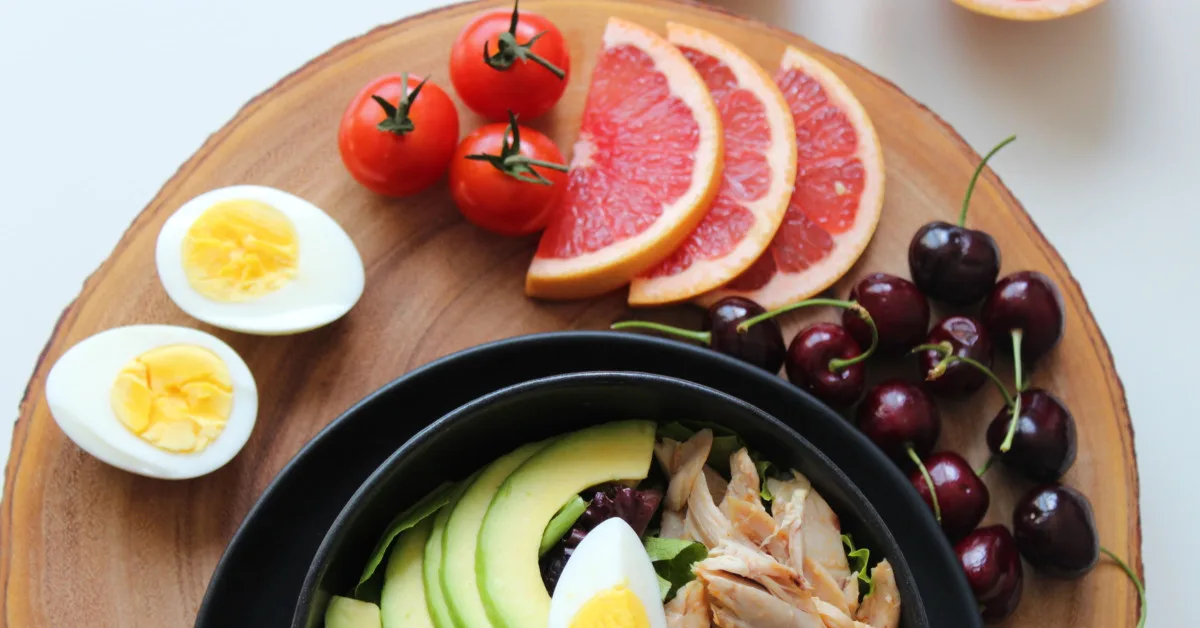
Three Satisfying Dinner Templates for Everyday Weight Management
A useful dinner is satisfying, practical and suited to the person—not merely “light.” Try three flexible meal templates that combine vegetables, protein, carbohydrates and flavour.
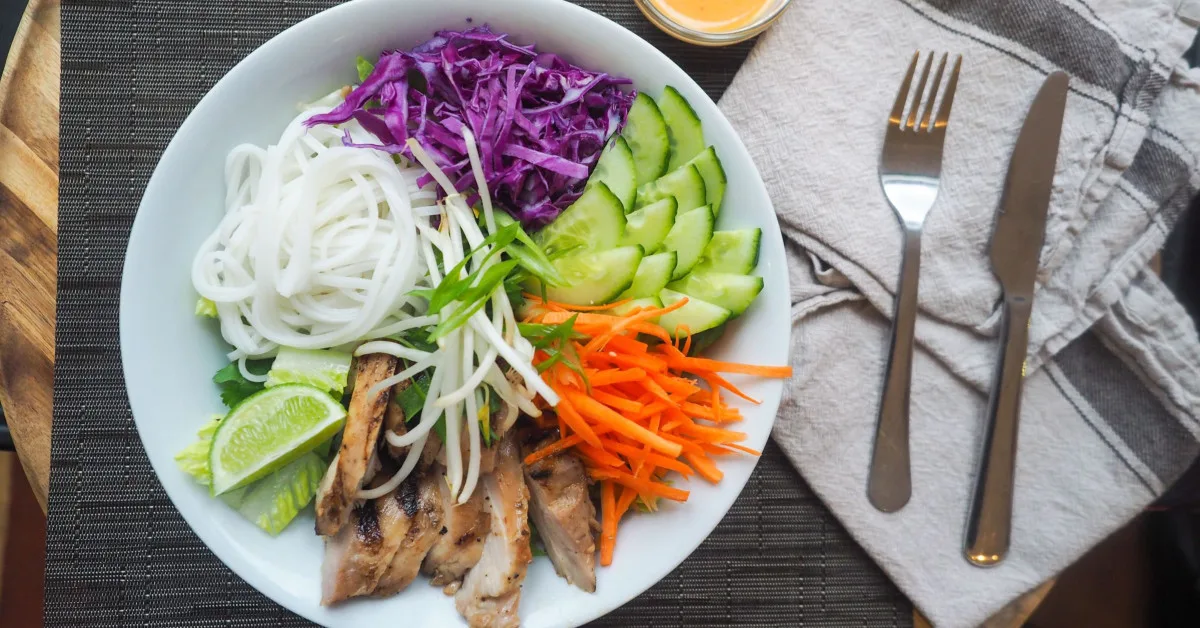
How to Build a Satisfying Salad for a Balanced Meal
An “ideal” salad depends on appetite, culture and health needs. Build a satisfying meal with vegetables, protein, a useful carbohydrate and enough dressing or texture to enjoy it.
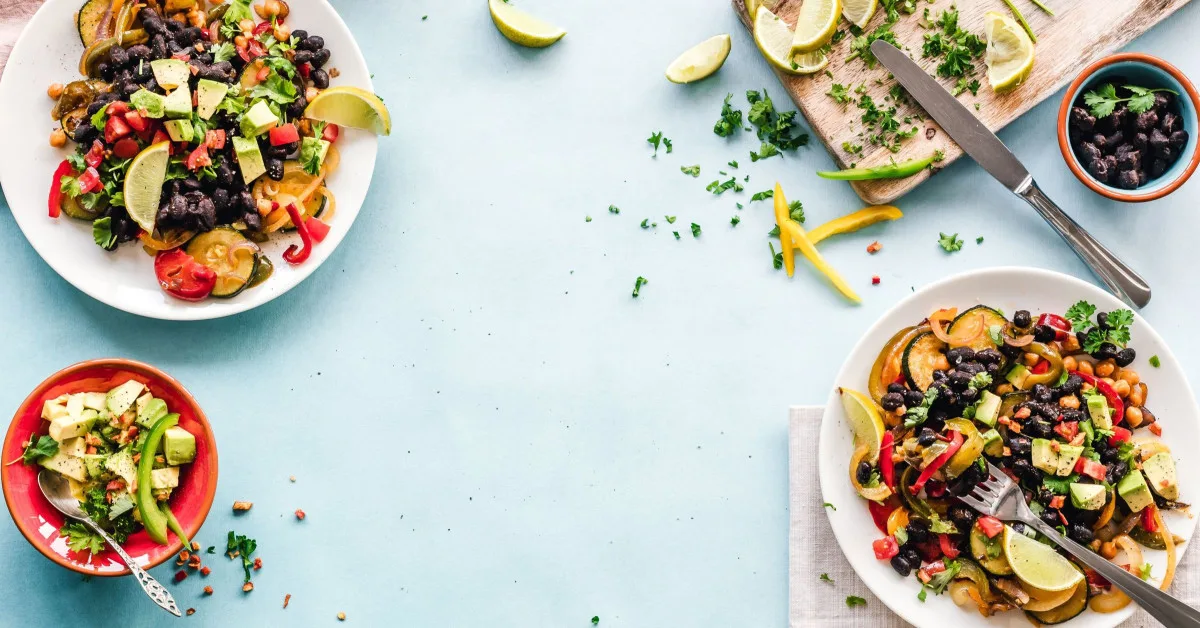
Six Flexible Food Building Blocks for Balanced Weight Management
No food burns fat or guarantees weight loss. These six flexible food groups can help build varied, satisfying meals without turning ordinary ingredients into miracle products.