Gut Microbiota Basics: What Shapes Your Digestive Microbial Community
The gut microbiota is a changing community, not a wellness score. Learn what researchers mean by microbiome, which factors can shape it and why simple “good versus bad bacteria” claims fall short.
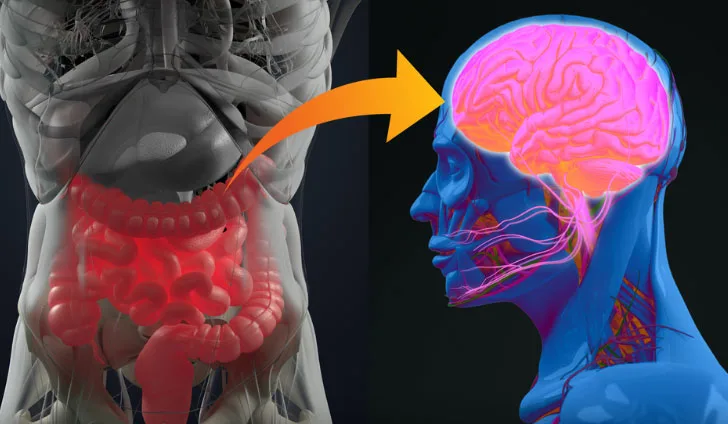
Trillions of microorganisms live in and on the human body. The collection of organisms in a particular place is often called the microbiota; “microbiome” can refer to those organisms together with their genes and surrounding environment. In everyday writing the terms are sometimes used interchangeably, but neither means a single organ that can be rated simply as happy or unhappy.
The gut community includes bacteria as well as viruses, fungi and other microorganisms. Different areas of the digestive tract provide different conditions. The National Institute of Environmental Health Sciences microbiome overview explains that body sites have distinct communities and that diet, medications and environmental exposures can influence them over time.
There is no universal perfect microbiome
Microbiome studies often measure which organisms or genes appear in a sample and how common they are. A diverse community may be associated with health in some settings, but “more diversity” is not a universal target. The meaning depends on the body site, the method, the person and the clinical question. Two healthy people can have noticeably different profiles.
The NIH Human Microbiome Project helped researchers develop reference data and methods. Its integrative second phase followed host and microbial changes in specific conditions over time. That work expanded the research toolbox; it did not create a consumer test that can diagnose every symptom or prescribe one ideal menu.
What can shape the gut community?
- Diet: the types and amounts of food available to gut organisms can influence their activity and composition.
- Medicines: antibiotics can alter microbial communities, and many other medicines may interact with digestive function.
- Age and life stage: early life, adulthood and later life do not have identical microbial patterns.
- Illness and environment: infections, chronic conditions, geography, household exposures and other factors may contribute.
- Time and measurement: one stool sample is a limited snapshot, not a complete map of the digestive tract.
These influences overlap. An observed difference between groups does not prove that a particular microbe caused a disease. Illness, treatment, diet or another factor might have changed the microbiome instead. Researchers use controlled studies and repeated samples to untangle those possibilities.
Diet research is promising and specific
Diet is one modifiable input, but effects vary. A small controlled feeding study summarized by NIDDK compared a higher-fibre, less processed “microbiome enhancer” pattern with a lower-fibre Western-style pattern. The NIDDK research update reports changes in microbial composition and function as well as measures of energy balance. It involved 17 weight-stable adults over a short period, so it should not be stretched into a universal treatment claim.
Whole grains, beans, vegetables, fruit, nuts and seeds supply different fibres and nutrients. A varied pattern can support general nutrition without requiring a person to calculate a microbiome score. Increase fibre gradually if a sudden change causes discomfort, and use individual medical or dietetic advice for gastrointestinal disease, allergies, swallowing problems or a prescribed diet.
Be cautious with tests and detox claims
Direct-to-consumer stool tests may identify organisms in a sample, but a colourful report is not automatically a medical diagnosis. Results can differ by laboratory method and day of collection. Be sceptical when a report leads immediately to an expensive supplement package or claims to explain unrelated symptoms.
The same caution applies to cleanses, extreme elimination diets and promises to “reset” the gut in a few days. Restrictive plans can reduce nutritional variety and may delay proper assessment. Persistent abdominal pain, blood in stool, dehydration, fever, unexplained weight change or continuing bowel changes deserve qualified medical attention.
Practical takeaway
Treat the gut microbiota as a complex research field, not a mood that one product can fix. Build ordinary dietary variety where it is suitable, avoid changing prescribed medicines, and judge tests or supplements by specific evidence rather than the word “microbiome.” For ongoing symptoms or a diagnosed digestive condition, use a clinician or registered dietitian who can consider the whole person.
Sources
- Microbiome, National Institute of Environmental Health Sciences
- The Human Microbiome Project expands the toolbox for studying host and microbiome interactions, National Institutes of Health
- The Complex Interplay of Diet and the Gut Microbiome Influences Human Health, National Institute of Diabetes and Digestive and Kidney Diseases
Continue reading
Related articles

Add More Fiber One Food at a Time
A gradual, food-first approach to fiber using beans, whole grains, vegetables, fruit, nuts, and seeds—plus the practical role of fluids and labels.
Supporting Gut Health: Food Patterns, Probiotics and Practical Caution
Gut-health marketing often moves faster than the evidence. Build a varied food pattern where appropriate, understand strain-specific probiotic evidence and avoid treating supplements as universal remedies.

Green Coffee and Weight Loss: What the Evidence Actually Shows
Green coffee is often sold as a shortcut for weight loss, but extracts, drinks and ordinary coffee are not interchangeable. Understand the limited evidence, caffeine concerns and product-safety questions.