Adaptive Activewear and Gear: A Personal Fit Checklist
A person-led checklist for finding workout clothing and equipment that work with individual movement, sensory and access needs.
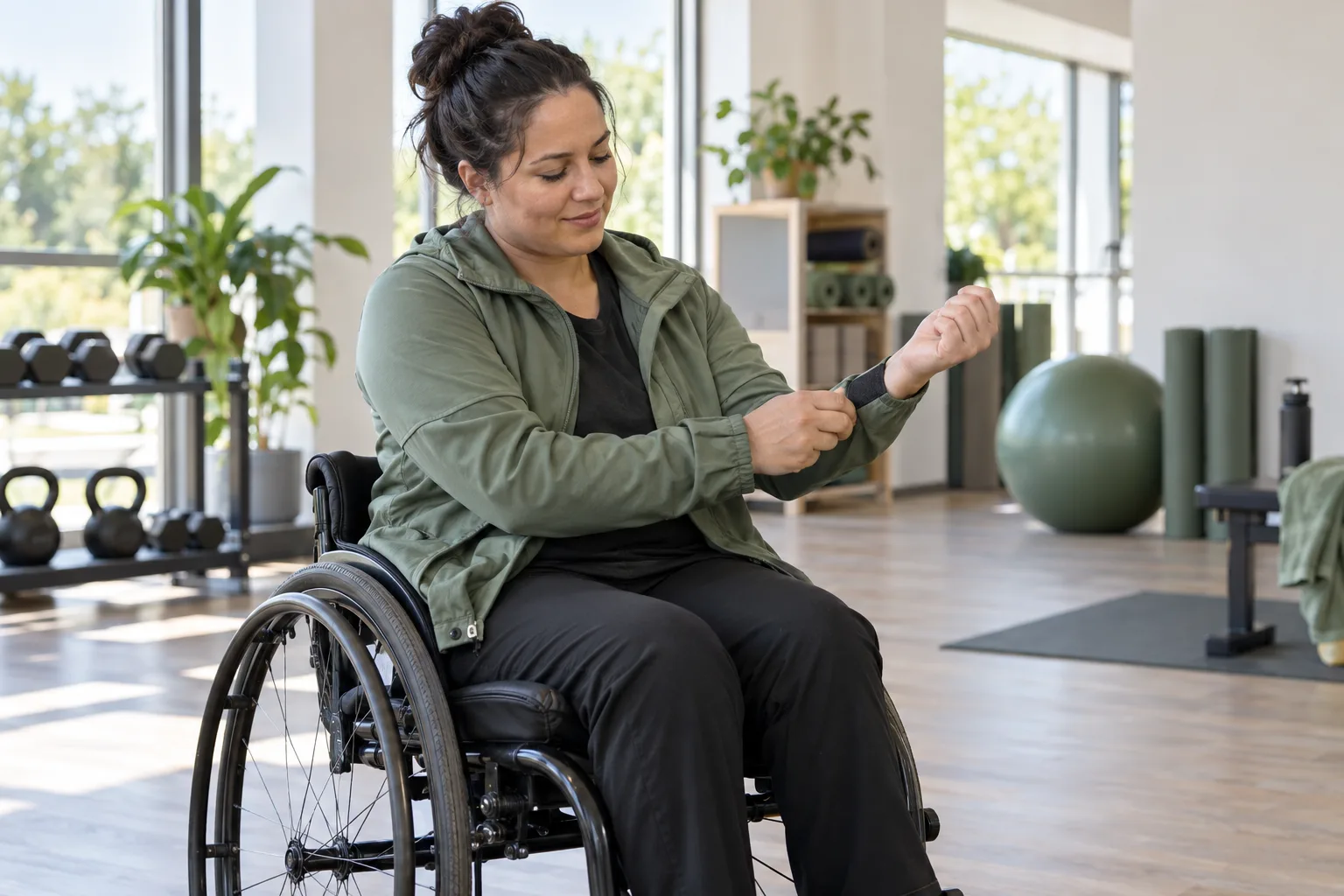
Adaptive activewear is not one look or one product category. It is clothing and equipment that work with a person's body, preferred movement, assistive devices and environment. A feature that improves access for one person may create a new barrier for another, so the most useful starting point is a personal checklist rather than a universal shopping list.
Begin with the activity and the individual
Write down what the session actually involves: transferring, wheeling, seated exercise, swimming, resistance work, walking with an aid or another form of movement. Then note the conditions, surfaces and help available. The CDC's guidance on physical activity and disability emphasises matching activity to a person's abilities and recognises that modification, assistance or additional equipment may be needed.
The wearer is the expert on comfort, access and dignity. Ask what already works and what creates difficulty. Do not assume that a visible disability explains every need, or that another person's solution will transfer. If a health condition, pain, skin risk or assistive device raises a safety question, involve an appropriate clinician or physical activity specialist.
Map the dressing process
A garment can feel comfortable during exercise yet be impractical to put on or remove. Test each step: reaching the opening, managing fasteners, pulling fabric over joints or devices, adjusting the fit and changing after the session. Useful features may include larger pull tabs, magnetic or hook-and-loop fasteners, side openings, two-way zips or fewer small closures.
Fast access is not the only goal. A closure must remain secure during the intended movement and should not catch on wheels, cables, seats or gym equipment. Magnets may be unsuitable around some medical devices; check the device maker's instructions and obtain professional advice when relevant.
Check pressure, seams and temperature
Inspect where waistbands, seams, labels and pockets sit in the activity position, not only while standing in a fitting room. Sitting changes fabric tension and can place seams under the thighs, hips or back. Repeated movement may pull material into folds that are not obvious at rest.
Look for flat, smooth construction where pressure and friction are concerns. Test whether fabric bunches beneath straps, braces or supports. Temperature regulation needs vary widely, so make layers easy to add or remove and keep an accessible spare nearby. Sensory preferences also matter: fabric sound, compression, texture and a swinging zip pull can determine whether an item is usable.
Test the complete equipment relationship
Put on the full outfit with the wheelchair, prosthesis, orthosis, walker, communication device or other equipment used for the session. Move through the expected range slowly. Check that fabric cannot enter wheels or moving parts, pockets remain reachable, and straps do not cover controls or pressure-sensitive areas.
The CDC's overview of physical activity options for people with disability points to environmental barriers as well as personal adaptations. Ask the facility about accessible changing space, routes, equipment and staff support before buying gear to solve what may actually be a venue problem.
Make visibility and communication intentional
For outdoor movement, add suitable lights or reflective details where they remain visible around equipment. A phone, identification or communication aid should be secure and reachable without an awkward transfer. If a companion provides assistance, agree on cues for pace, stopping, equipment adjustment and personal space before beginning.
In a group class, tell the instructor what kind of information is useful. Clear spoken directions, demonstrations, a consistent position in the room or extra transition time may matter more than specialised clothing. Inclusion is not achieved by asking one person to adapt silently to every barrier.
Trial before committing
Test new clothing or equipment during a short, familiar session. Note what shifts, rubs, overheats, becomes difficult to reach or takes too much energy to adjust. Keep tags and receipts until the item has passed the full dressing and movement check, where return policies allow.
Review the fit when body shape, mobility, medication, equipment or activity changes. Adaptation is an ongoing practical process, not a one-time purchase. Sometimes the best solution is an ordinary garment altered by a skilled tailor; sometimes it is a purpose-built product or a change to the environment.
Practical takeaway
Choose adaptive activewear by following the user's real dressing and movement process. Test fastenings, seams, pressure, temperature, reach and interaction with every assistive device in the activity position. Prioritise individual preference and safety over labels, and seek qualified advice when a medical condition or device makes the choice uncertain.
Sources
- Increasing Physical Activity among Adults with Disabilities, Centers for Disease Control and Prevention
- Physical Activity for People with Disability, Centers for Disease Control and Prevention
Continue reading
Related articles
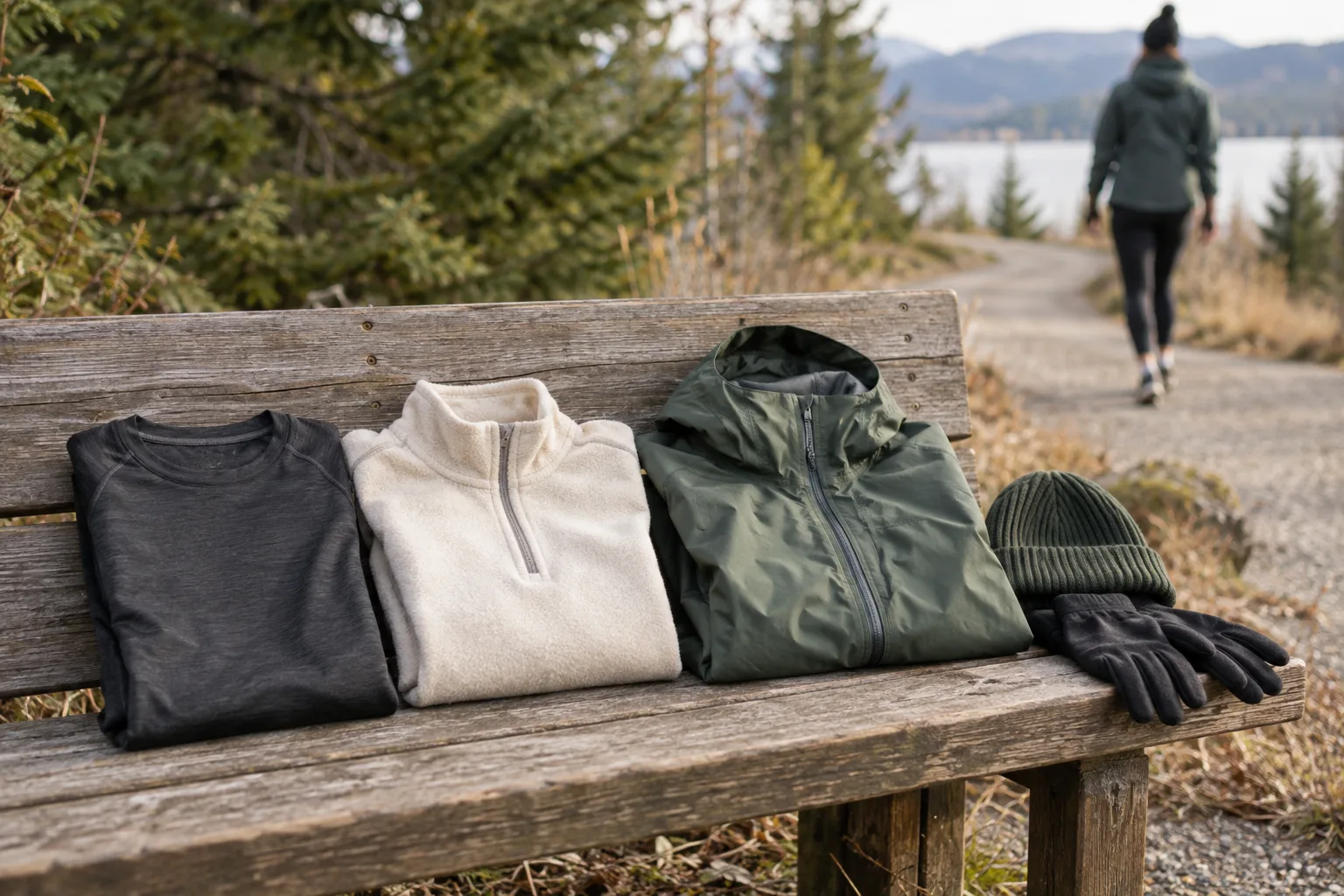
How to Dress in Layers for Outdoor Workouts
Good layering is less about owning technical gear and more about managing moisture, insulation and weather protection. Build an outfit you can adjust as your effort and the forecast change.
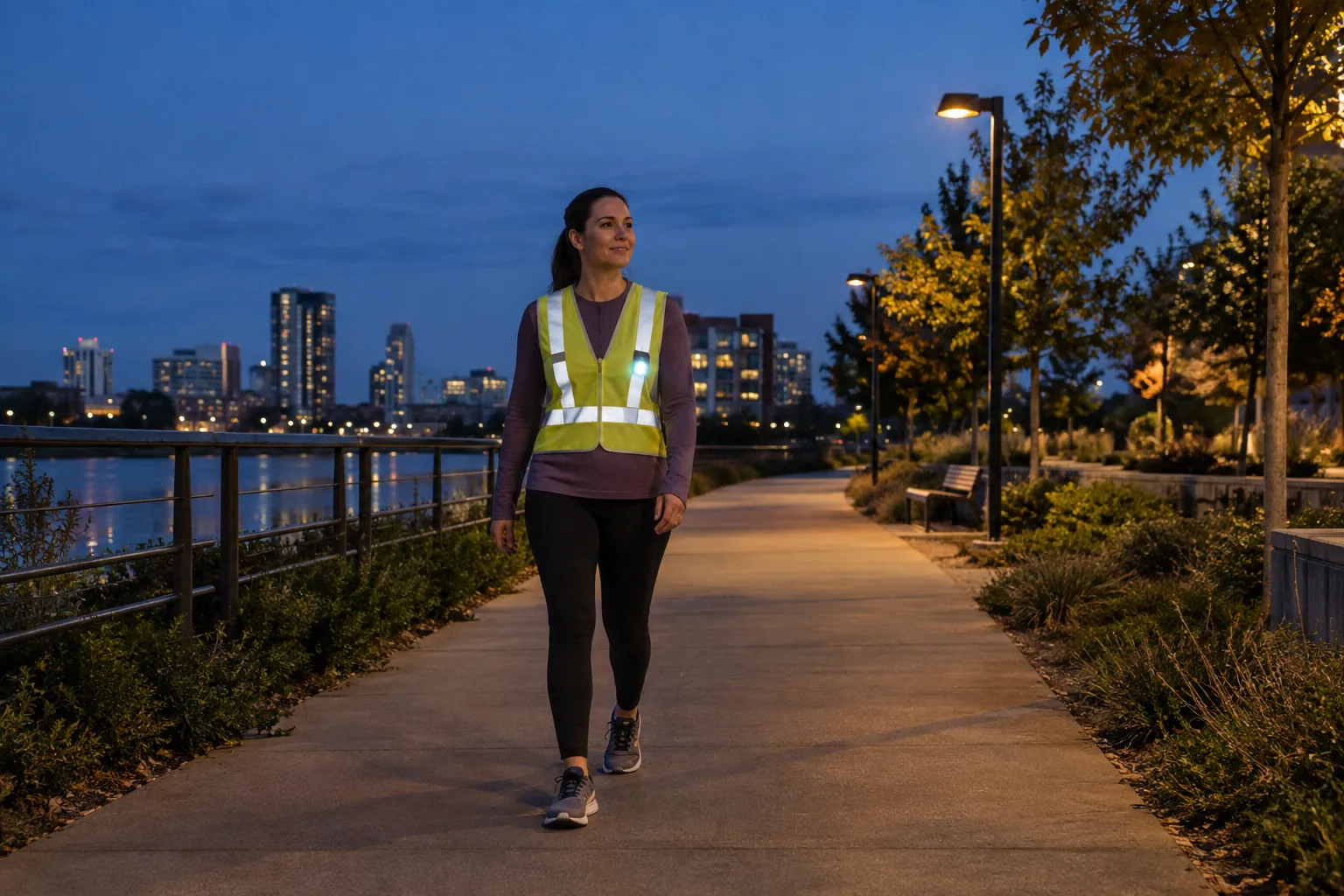
Visibility Gear for Walking and Running After Dark
Build a simple low-light kit with reflective details and active lighting while keeping route choice and road awareness first.

How to Choose Sun-Protective Activewear for Outdoor Days
Use coverage, fabric, fit and a few simple habits to make sun protection part of your outdoor clothing system.