Cycling Helmet Fit and Care: A Pre-Ride Routine
Check certification, position, straps and condition so a cycling helmet is ready before every ride.
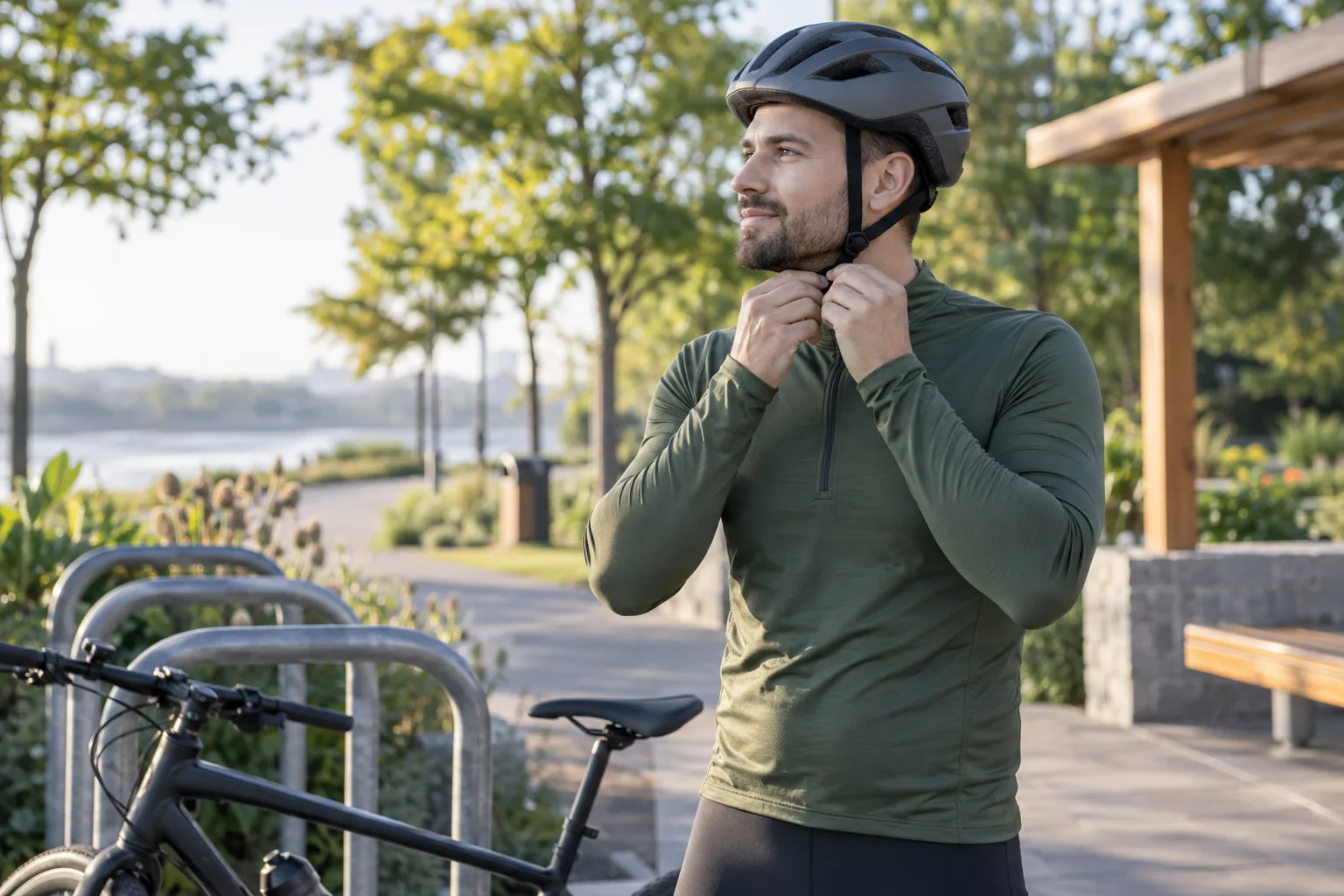
A bicycle helmet is easy to treat as a box to tick: put it on, fasten the buckle and ride. Its usefulness depends on more detail than that. It needs to be made for cycling, fit the rider's head, sit in the intended position and remain in good condition. A brief routine makes those checks ordinary rather than something remembered after a problem.
Choose a helmet intended for the activity
Look for the certification required where the helmet is sold and used. In the United States, the Consumer Product Safety Commission's bicycle helmet guidance explains that helmets must carry a label certifying compliance with its federal standard. Other countries use their own standards, so check local requirements rather than assuming every label means the same thing.
Use a cycling helmet for cycling. Helmets are designed and tested around particular activities and impacts; one model is not automatically appropriate for every sport. Read the manufacturer's instructions, warnings and intended-use information before removing tags or packaging.
Start with the correct size and shape
Measure the head as directed by the manufacturer, then try the helmet on. It should feel snug around the whole head without painful pressure points. Different models have different internal shapes, so a nominally correct size may still rock, pinch or leave large gaps.
Adjust only the pads, fit ring and parts supplied or approved by the manufacturer. Do not add improvised padding or modify the shell. If the available adjustments cannot create a secure, comfortable fit, choose another size or model. For a child, fit the helmet to the child's head now rather than buying extra room for growth.
Set the position before the straps
Place the helmet level on the head, not tipped back to expose the forehead or pulled so low that it blocks vision. The front edge should sit according to the manufacturer's fitting diagram. With the retention system adjusted, the helmet should resist rolling forward, backward or sideways.
Arrange the side straps so they meet neatly around each ear without twisting. Centre the chin strap under the chin and tighten it until it is secure but comfortable. Fasten the buckle every time. Long hair, a new hairstyle, a thin cap or other changes beneath the helmet can alter fit, so repeat the check when anything changes.
Use a simple pre-ride check
The National Highway Traffic Safety Administration advises riders to use a properly fitting helmet and prepare both bicycle and equipment before heading out. Before each ride:
- Confirm that the helmet sits level and does not wobble.
- Check that the side straps lie flat and the buckle closes securely.
- Look for cracks, crushed areas, damaged straps, missing pads or loose fittings.
- Make sure added lights or accessories are approved and do not interfere with fit.
- Check the bicycle, brakes, tyres and lights as well; a helmet is not the whole safety system.
Know when replacement matters
A helmet that has received an impact may be damaged internally even when the surface appears normal. CPSC requires warnings that an impacted helmet may no longer protect as intended and should be returned to the manufacturer or destroyed and replaced. Follow the manufacturer's instructions after any crash or significant blow.
Replace a helmet with a cracked shell, worn or frayed straps, a failing buckle, missing parts or damage that cannot be corrected using approved components. Also check the manufacturer's guidance on service life, storage and recalls. Avoid second-hand helmets when their impact and storage history is unknown.
Store it as safety equipment
Do not leave the helmet where it can be crushed, dropped repeatedly or exposed to damaging heat and chemicals. Clean it only with methods recommended by the manufacturer. Solvents, paints, stickers or unapproved attachments may affect materials or interfere with inspection.
Keep it in a consistent place with cycling lights and keys. A helmet cannot help when it is forgotten because it was left in a car boot, another bag or an inconvenient cupboard.
Remember what a helmet cannot do
No helmet can prevent every head injury. Ride predictably, obey road rules, maintain the bicycle and use lights and visible clothing when needed. Route choice, speed, attention and interaction with other road users remain essential.
Practical takeaway
Use a certified cycling helmet that fits the individual rider, sits level and remains secure with the buckle fastened. Inspect it before every ride and replace it after a significant impact or when damaged, following the maker's instructions. Make the check part of preparing the whole rider and bicycle, not a substitute for safer riding.
Sources
- Bicycle Helmets: Frequently Asked Questions, U.S. Consumer Product Safety Commission
- Bicycle Safety, National Highway Traffic Safety Administration
Continue reading
Related articles
An Athletic Shoe Fit Checklist That Starts With Comfort
Use fit, stability and real movement—not hype or a familiar size number—to choose comfortable athletic shoes.

Visibility Gear for Walking and Running After Dark
Build a simple low-light kit with reflective details and active lighting while keeping route choice and road awareness first.

How to Choose Sun-Protective Activewear for Outdoor Days
Use coverage, fabric, fit and a few simple habits to make sun protection part of your outdoor clothing system.