How to Wash Sportswear Without Wearing It Out
Sportswear can combine elastic fibres, prints, padding and technical finishes, so the safest routine starts with the care label. Use this practical checklist to wash, dry and store it thoughtfully.

Sportswear has an awkward job. It stretches, rubs against equipment, absorbs sweat and may be washed far more often than ordinary clothing. It can also combine several materials in one garment: elastic fibres, mesh, padding, reflective details, printed graphics and water-resistant finishes. That is why one dramatic “laundry hack” is less useful than a careful routine.
Begin with the care label. The U.S. care-label rule (2026 annual edition) covers washing, bleaching, drying, ironing and necessary warnings, with exceptions for when particular instructions can be omitted. Those instructions are based on the garment as a whole, not just the main fibre named on the tag.
Deal with damp kit promptly
After training, take damp items out of a closed bag. If they cannot be washed immediately, hang or spread them so they can dry rather than remaining compressed. Empty pockets and remove items such as tissues, gels or electronic trackers. Fasten hook-and-loop tabs so they do not catch other fabric, and check zips and drawstrings.
Look for a separate instruction on removable pads, cups, belts or protectors. Some components need hand washing or surface cleaning and should not enter a machine. Mud is easier to manage when allowed to dry and brushed off outdoors, provided the garment’s finish is not damaged by brushing.
Sort by more than colour
Colour still matters, especially for a new dark or bright item, but texture matters too. Rough fasteners, exposed zips and heavy cotton towels can abrade lightweight knits. A mesh laundry bag can help contain small or delicate pieces if the care label permits machine washing.
Turn printed garments inside out if the manufacturer recommends it. Do not overload the drum; clothing needs room to move and rinse. At the same time, avoid running a nearly empty machine for one shirt when the item can safely wait for a compatible load.
Let the label choose temperature and cycle
For washable garments, the same U.S. care-label rule specifies a washing method and generally a water temperature, plus drying directions and necessary warnings. It permits omission of the washing temperature when regular hot-water washing will not harm the garment. Read words and symbols together. “Machine wash” does not automatically mean every temperature and cycle is equally suitable when additional directions are present.
Use a gentle or sportswear cycle only when it matches the garment guidance. Cold water is common on technical clothing labels, but it is not a universal instruction. Medical uniforms, contaminated kit and team-issued protective products may have separate hygiene protocols; follow the responsible organisation’s process rather than a general blog.
Measure detergent instead of guessing
Use a detergent compatible with the washer, the water conditions and the care label. Follow the detergent and machine directions for load size and soil level. More detergent does not necessarily mean cleaner clothing; excess product can be difficult to rinse.
Avoid automatically adding chlorine bleach, oxygen bleach, fabric softener, vinegar, baking soda, disinfectant or essential oil. Elastic, dyes, membranes and finishes respond differently, and combining household products can be unsafe. Use an additive only when the garment label and product instructions allow it. Never mix cleaning chemicals.
Dry with the same care
Heat can affect elastic fibres, prints and bonded seams, but air drying is not suitable for every item or situation. Follow the stated drying method and temperature. Reshape garments that are meant to dry flat, provide good airflow, and keep items away from a heater or strong direct heat unless the label permits it.
Make sure kit is fully dry before folding or returning it to a bag. Store clean footwear and protective equipment separately from clean clothing. Inspect elastic, stitching, reflective trim and padding as you put items away; a wash cannot repair a stretched waistband or damaged protective component.
Use machines efficiently
If a washer is due for replacement, efficiency and garment care can be considered together. The EPA ENERGY STAR clothes-washer guidance describes certified machines that use less energy and water than standard models and wash systems designed to lift and tumble loads. A certification does not override the garment label, but an appropriate machine, sensible load and permitted temperature can reduce unnecessary resources.
Practical takeaway
Remove damp sportswear from the bag, separate it from abrasive items and read the complete care label. Use the permitted cycle, temperature, detergent and drying method, and skip unapproved additives. The most reliable way to help kit last is a repeatable routine matched to the actual garment.
Sources
- ENERGY STAR Certified Clothes Washers, U.S. Environmental Protection Agency ENERGY STAR
- 16 CFR Part 423 — U.S. Care Labeling Rule (2026 annual edition), U.S. Government Publishing Office; Federal Trade Commission regulation
Continue reading
Related articles
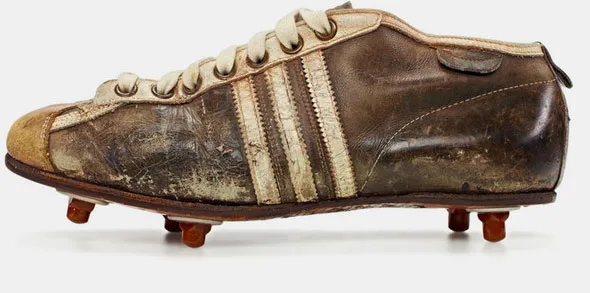
How Soccer Boots Evolved: From Everyday Boots to Modern Studs
Soccer footwear changed alongside the laws, playing surfaces and manufacturing. This evidence-led overview separates the broad historical story from marketing claims about modern boots.
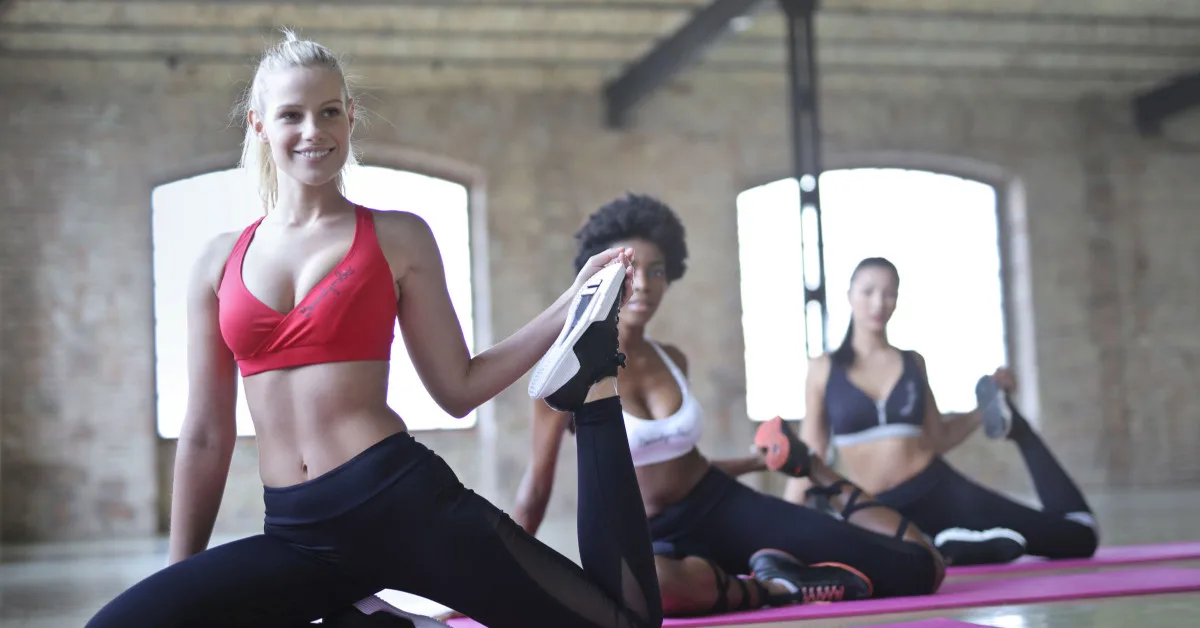
What to Wear for Yoga: A Practical Comfort and Fit Guide
Yoga clothing does not need to be expensive or fashionable. Prioritise comfortable movement, secure coverage, the room temperature and care instructions that suit the garment you already have.
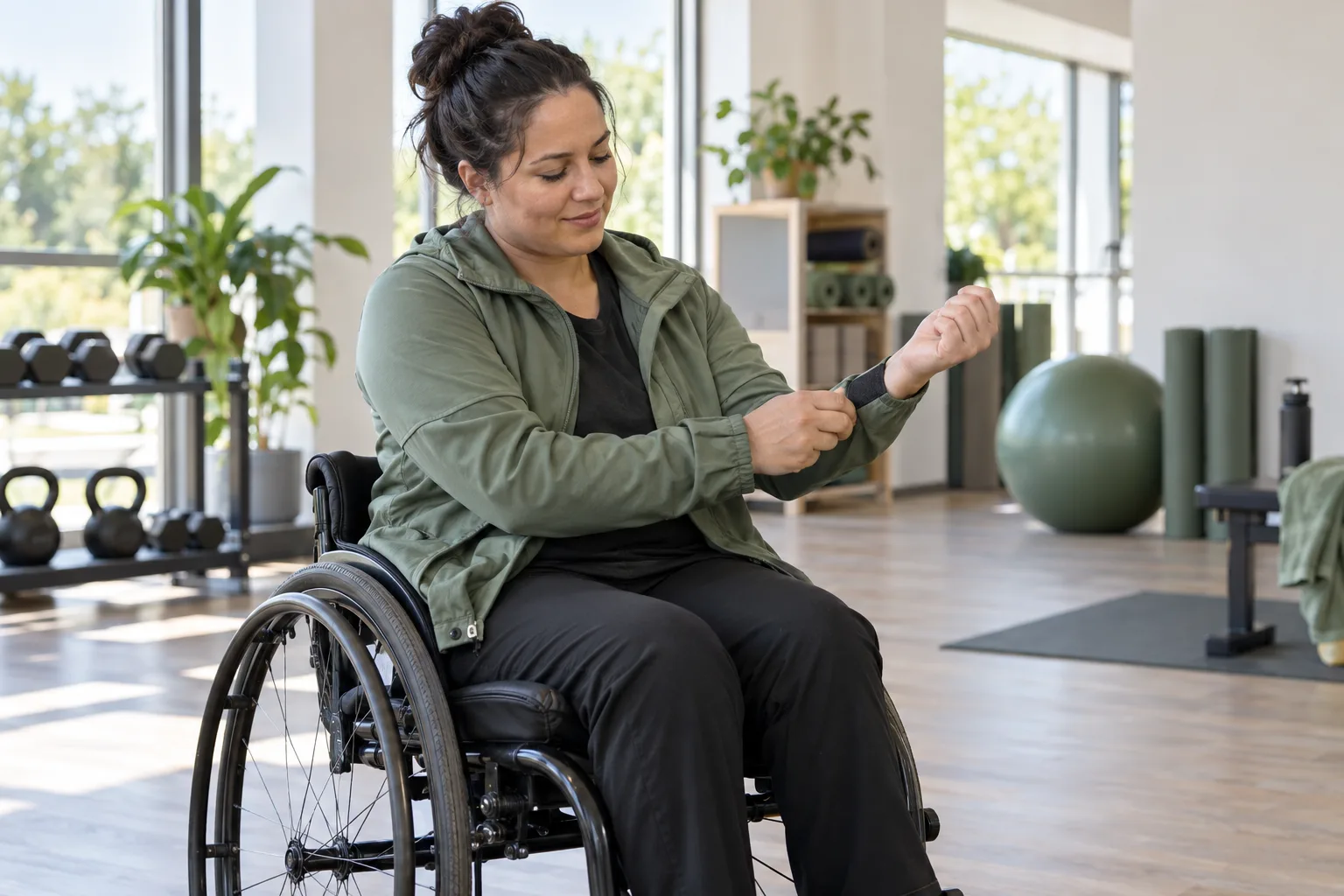
Adaptive Activewear and Gear: A Personal Fit Checklist
A person-led checklist for finding workout clothing and equipment that work with individual movement, sensory and access needs.