Brain Health Over Time: Sleep, Movement, Connection and Medical Care
Brain health is influenced by physical health, sleep, medicines, mood, sensory changes and social life. Everyday habits can support wellbeing, but slogans do not guarantee prevention of cognitive decline.
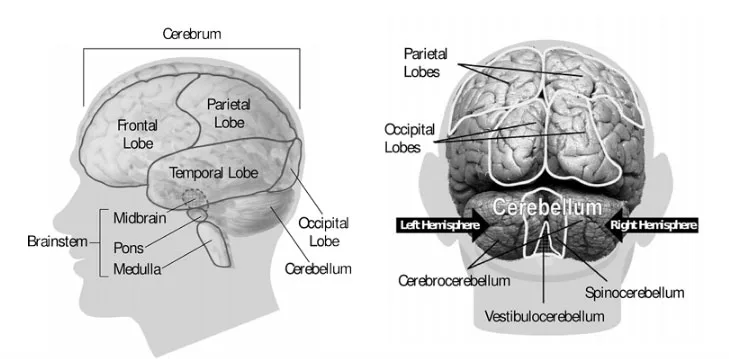
“Use your brain or lose it” is memorable, but it makes brain health sound like a pass-or-fail puzzle. Cognitive function changes across life and is influenced by far more than mental games. Physical conditions, medicines, sleep, hearing and vision, mood, injury, substance use, genetics and social circumstances can all matter.
The National Institute on Aging defines cognitive health as the ability to think, learn and remember clearly enough to carry out everyday activities. Its cognitive-health guidance recommends looking after overall health and warns that evidence for lasting benefits from many commercial brain-training apps is not definitive.
Start with health conditions and medicines
Managing blood pressure, diabetes, cholesterol, depression and other conditions is part of brain-health care. Follow prescribed treatment and attend recommended check-ups. Some medicines and combinations can affect memory, attention or alertness, particularly in older adults. A pharmacist or prescriber can review possible effects; stopping a prescribed medicine independently can be dangerous.
Hearing and vision also shape how a person communicates and participates. Difficulty hearing a conversation can look like inattention, while poor vision can make reading or navigation harder. Assessment and appropriate support may make daily tasks easier without implying that a sensory aid treats dementia.
Give sleep a real place in the routine
Sleep supports attention, memory and daytime function. The NIA guide to sleep and older adults notes that illness, medicines, mental health, pain and sleep disorders can interfere with rest. A regular schedule, a comfortable room and a wind-down routine are practical starting points.
Persistent insomnia, loud snoring with breathing pauses, unusual movements, severe daytime sleepiness or a sudden change deserves assessment. A sleep disorder is not a character flaw, and a generic bedtime tip may not address it. Alcohol and unreviewed sleep products can also interact with medicines.
Move in ways that are appropriate
Physical activity supports cardiovascular, metabolic, musculoskeletal and mental health. Those systems are connected with the ability to stay independent and engaged. Choose a manageable starting point and increase gradually. Walking, household movement, strength work or a suitable class can all count, depending on ability and health.
Research links activity with aspects of cognitive health, but an association is not a guarantee that a particular workout prevents dementia. Anyone with symptoms, a significant condition, recent surgery or a high fall risk may need an individually adjusted plan.
Stay connected in a way that feels meaningful
Connection is not measured by having the largest contact list. It can come from family, friends, neighbours, a faith group, volunteering, a club, caregiving relationships or an online community. The CDC’s social-connection overview describes supportive relationships as a source of belonging and practical or emotional help.
Quality and choice matter. Social activity that is unsafe, exhausting or unwanted is not automatically beneficial. For someone who is isolated, one repeatable point of contact—a weekly call, library group or regular walk with another person—may be more realistic than a crowded calendar.
Know which changes need attention
Occasionally forgetting a name is different from a pattern that disrupts daily life. Sudden confusion can be an urgent sign of illness, medication effects or delirium. New difficulty managing money or medicines, getting lost in familiar places, marked personality change, repeated falls or rapidly worsening memory should be discussed with a qualified health professional.
Evaluation does not assume one diagnosis. Clinicians consider history, function, mood, medicines, sensory changes and physical causes. Earlier assessment can identify treatable contributors and help a person and family plan support.
Practical takeaway
Support brain health with ordinary, connected foundations: attend to medical conditions and medicines, protect sleep, keep moving appropriately, use hearing or vision care when needed, and maintain relationships that matter. Enjoy puzzles and new skills if they are meaningful, but do not buy a promise that one game, food or supplement can prevent cognitive decline.
Sources
- Cognitive Health and Older Adults, National Institute on Aging
- Sleep and Older Adults, National Institute on Aging
- Social Connection, Centers for Disease Control and Prevention
Continue reading
Related articles

Hearing-Friendly Headphone Habits
Enjoy music, podcasts, calls, and games while paying attention to volume, listening time, fit, background noise, and warning signs.

Keeping Your Brain Engaged: Learning, Creativity and Realistic Expectations
Learning and creative activities can add purpose, challenge and connection. They may support cognitive wellbeing, but no single puzzle, app or hobby has been proven to keep every brain unchanged.

Five Everyday Ways to Support Mental Wellbeing—and When to Get Help
Small routines can support mental wellbeing, but they are not a cure or a test of willpower. Try five flexible foundations and recognise when professional or urgent help is appropriate.