What to Wear for Yoga: A Practical Comfort and Fit Guide
Yoga clothing does not need to be expensive or fashionable. Prioritise comfortable movement, secure coverage, the room temperature and care instructions that suit the garment you already have.
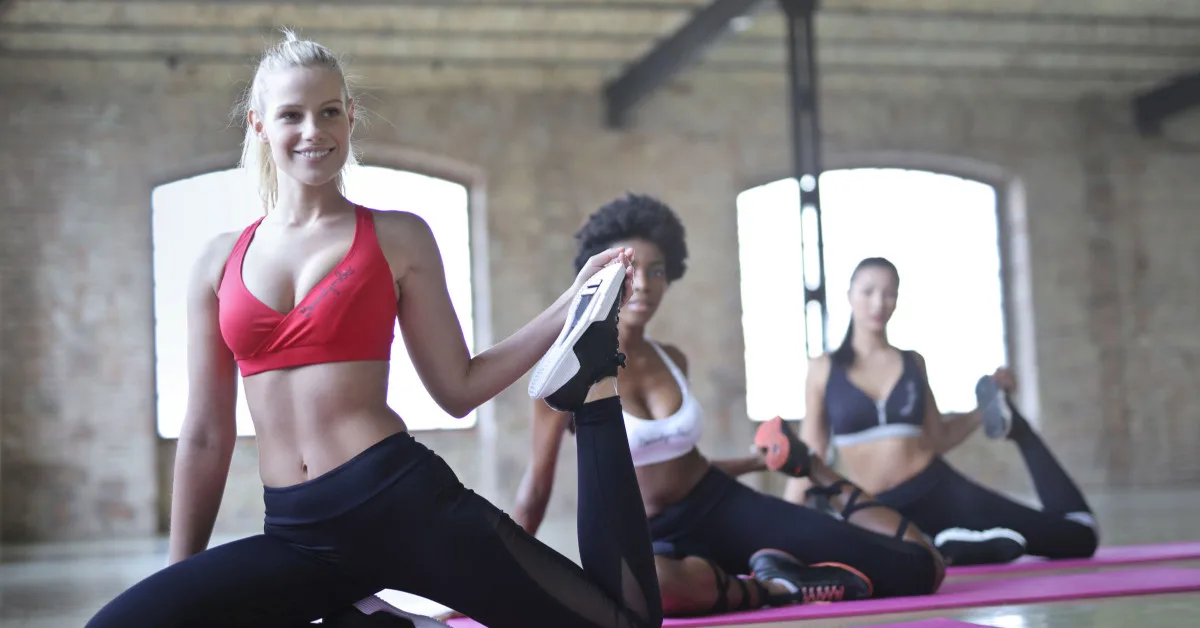
The best clothing for yoga is clothing you can stop thinking about once the session begins. It should let you move, stay reasonably secure as your position changes and feel appropriate for the room. That description can include ordinary sportswear, a loose T-shirt, fitted leggings, shorts or layers you already own. A specialist outfit is optional.
Yoga styles range from gentle, mostly seated practices to physically demanding classes. The National Center for Complementary and Integrative Health notes that these differences matter when considering yoga’s effects and safety. Clothing choices vary for the same reason: a quiet restorative class and a heated, fast-moving class do not create identical needs.
Test movement before class
Try the clothes at home for a minute. Reach overhead, fold forward, take a wide step, sit cross-legged and move from standing toward the floor. Notice whether a waistband rolls, fabric pulls across a joint, a shirt falls over your face or a fastening presses into you. The goal is not a perfect look; it is fewer distractions.
Choose enough room to move without so much loose fabric that it tangles around hands or feet. Some people prefer a closer-fitting top for inverted or forward-folding positions, while others use a loose top tucked securely into the waistband. Either can work. Coverage is personal, but checking it in the movements you expect is more reliable than judging it in a mirror while standing still.
Dress for the room, not the label
A cool studio may call for a light removable layer during the opening and closing portions of class. A warm room may make a lightweight garment more comfortable. Heated yoga has specific concerns around overheating and dehydration, so clothing should not be treated as protection against excessive heat.
Fibre names alone do not tell the whole story. Fabric weight, knit, seams, construction and personal sensitivity all affect comfort. Breathable or quick-drying fabric can feel useful in a sweaty session, but there is no evidence-based universal percentage blend that everyone should buy. If you have sensitive skin, inspect seams and labels and choose what does not rub.
Choose simple supporting details
- Waist and hems: they should stay in place without digging in or restricting breathing.
- Pockets and zips: empty hard objects before class, and avoid closures that press into the body on the floor.
- Jewellery and accessories: remove anything likely to catch, press or distract.
- Hair: secure it in a way that stays comfortable when the back or head meets the mat.
- Feet: follow the teacher and studio policy. Many practices are barefoot; grip socks may be appropriate in some settings.
A mat and props can affect comfort more than an outfit. Ask whether the class provides blocks, straps, blankets or chairs. A qualified instructor should be able to offer a modification instead of expecting clothing to make an unsuitable position safe.
Keep safety separate from style
Yoga is generally considered safe for healthy people when practised appropriately under a qualified instructor’s guidance, but injuries can occur. NCCIH advises beginners to avoid extreme practices and recommends guidance from a qualified instructor. Older adults, pregnant people and anyone with a health condition or existing injury may need professional advice and modified poses.
No waistband, compression garment or “performance” fabric can guarantee injury-free practice. Stop if you feel sharp pain, dizziness, numbness or unusual symptoms, and seek appropriate advice rather than assuming the outfit is the cause.
Care for what you own
Read the garment label before applying a generic washing tip. The U.S. care-label rule (2026 annual edition) covers washing, bleaching, drying, ironing and necessary warnings, with exceptions for when particular instructions can be omitted. Different fibres, dyes, prints and elastic components can require different treatment.
Let damp clothing dry rather than leaving it compressed in a closed bag, then wash it according to the label. Use only the permitted temperature, bleach and drying method. Avoid assuming that vinegar, baking soda, fabric softener or very hot water is safe for every garment. If a label is missing, begin conservatively and contact the manufacturer when the item is valuable or unusual.
Practical takeaway
Choose a clean outfit you already own, test it through a few class-like movements and bring one removable layer if the room may be cool. Let comfort, coverage and secure movement guide the choice. After class, follow the actual care label instead of a one-size-fits-all laundry recipe.
Sources
- Yoga: Effectiveness and Safety, National Center for Complementary and Integrative Health
- 16 CFR Part 423 — U.S. Care Labeling Rule (2026 annual edition), U.S. Government Publishing Office; Federal Trade Commission regulation
Continue reading
Related articles
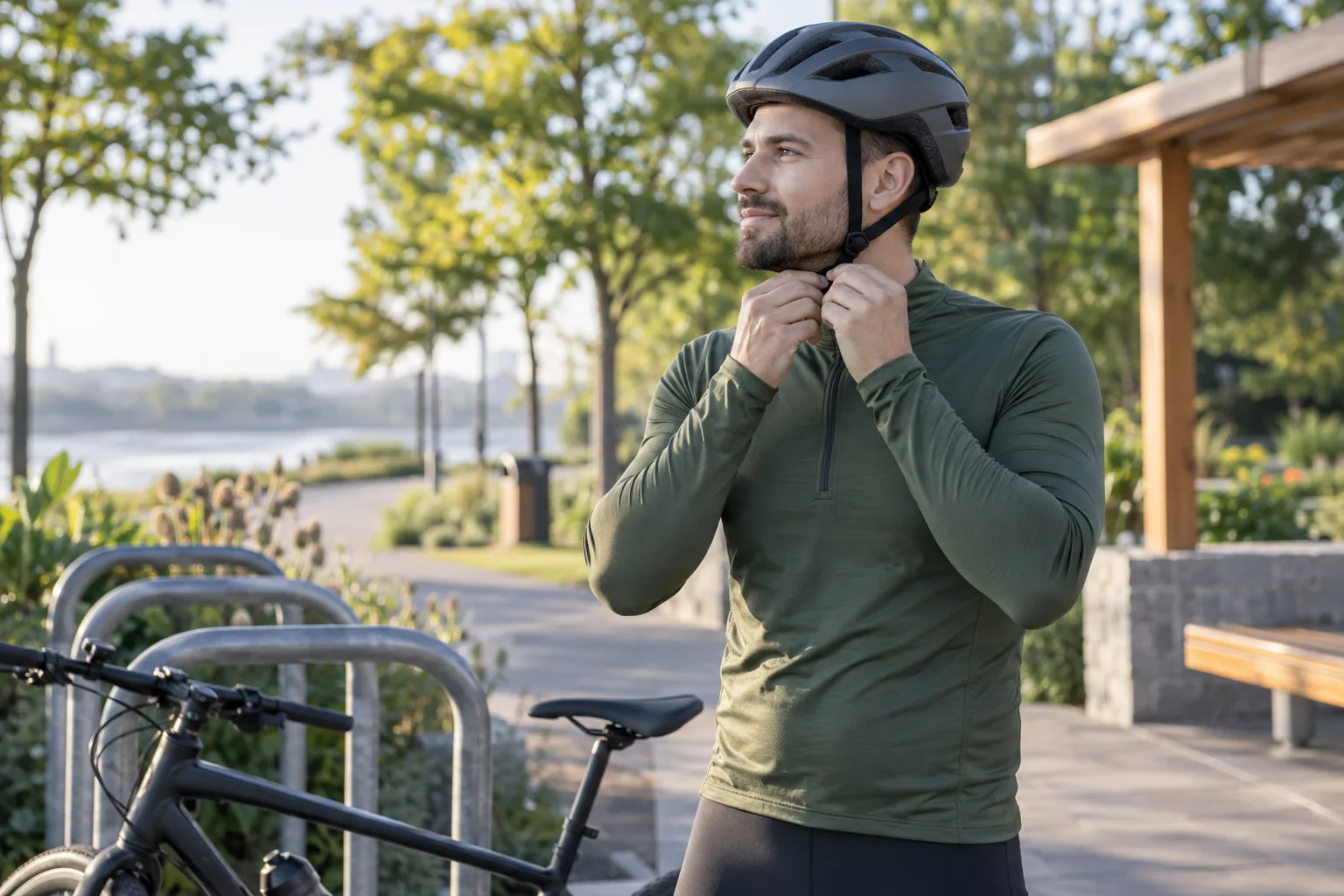
Cycling Helmet Fit and Care: A Pre-Ride Routine
Check certification, position, straps and condition so a cycling helmet is ready before every ride.
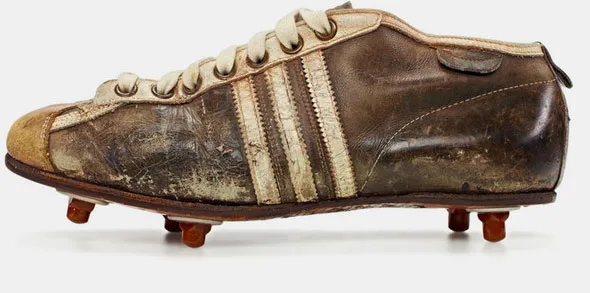
How Soccer Boots Evolved: From Everyday Boots to Modern Studs
Soccer footwear changed alongside the laws, playing surfaces and manufacturing. This evidence-led overview separates the broad historical story from marketing claims about modern boots.

How to Wash Sportswear Without Wearing It Out
Sportswear can combine elastic fibres, prints, padding and technical finishes, so the safest routine starts with the care label. Use this practical checklist to wash, dry and store it thoughtfully.