A Day-Hike Gear Checklist Without the Unnecessary Bulk
Pack a compact day-hike system around the route, weather and essential backup needs instead of carrying random extras.
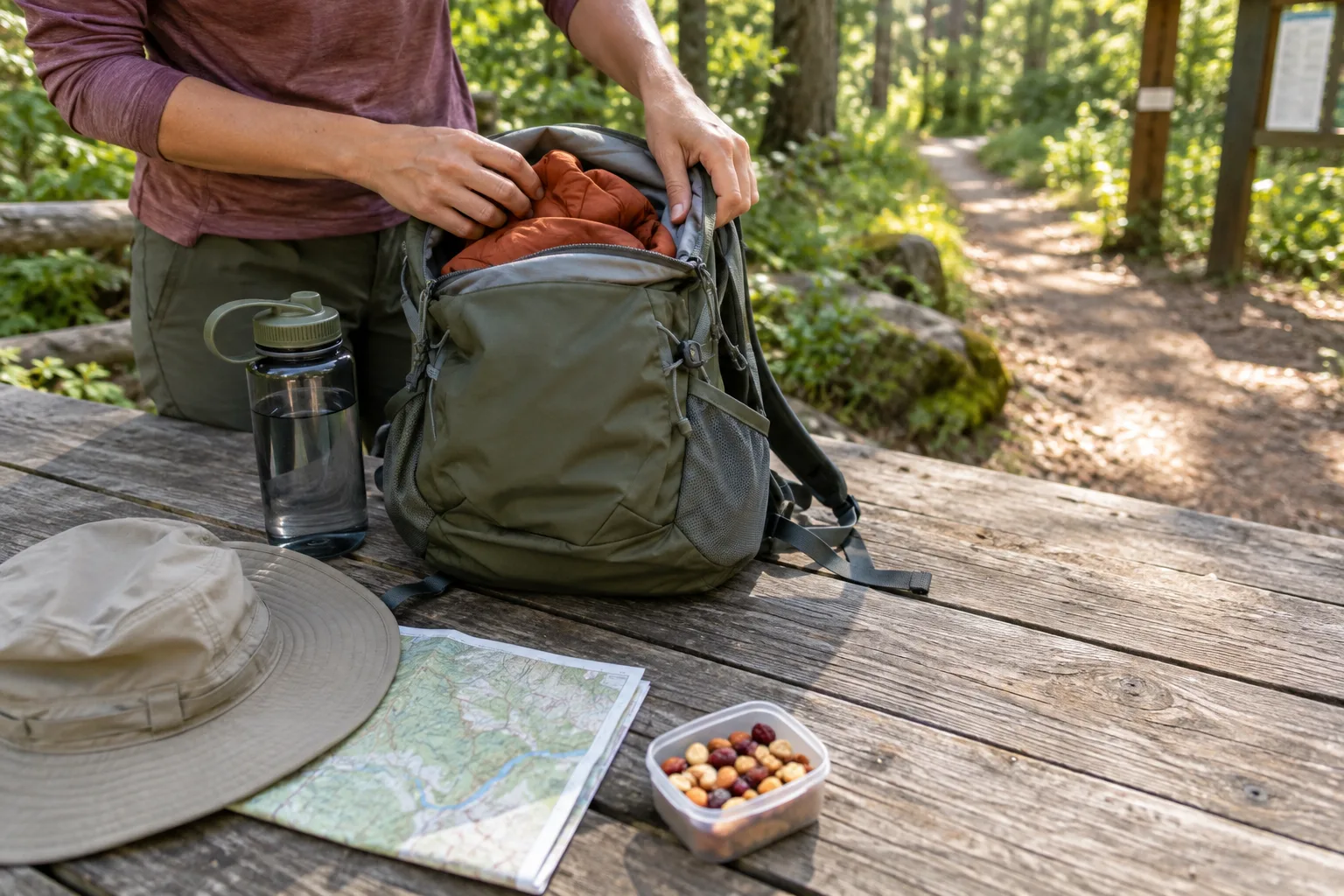
A day hike may last only a few hours, but a wrong turn, sudden storm or slow descent can extend the day. Packing well does not mean filling a large bag with every outdoor product. It means carrying a compact system chosen for the route, conditions and people in the group, then knowing how to use what is inside.
Research before packing
Check the official information for the specific trail or park: distance, elevation, surface, closures, water availability, mobile coverage, daylight and local hazards. Read the forecast for the route's elevation, not only the nearest town. Tell a reliable person where you are going, who is with you and when to expect your return.
The National Park Service's general hiking guidance recommends sharing the route and return time, checking weather, considering a companion and packing for current and anticipated conditions. Those decisions reduce the number of “just in case” items because the likely problems are clearer.
Pack systems rather than gadgets
The National Park Service organises its Ten Essentials into practical systems: navigation, sun protection, insulation, illumination, first aid, fire, repair tools, food, hydration and emergency shelter. A single item may support more than one system, but each need should be considered.
- Navigation: an offline or physical map and the skill to use it; do not rely on live mobile data.
- Weather: a suitable extra layer and rain protection based on the forecast and route exposure.
- Light: a headlamp or torch with enough power even when the plan is to finish before dusk.
- First aid and repair: a small kit matched to the group, plus essential medication.
- Food and water: enough for the planned effort with a sensible emergency margin.
- Emergency support: a whistle and lightweight shelter appropriate to the environment.
Choose a pack that keeps essentials usable
The bag should fit the load without swinging or forcing awkward posture. Adjust the straps with the pack filled, then walk, bend and reach. Keep water, weather protection, navigation and any essential medication accessible. Equipment that requires unpacking the entire bag is less likely to be used early, when it can help most.
Protect items that must stay dry in a waterproof liner or individual bag. Balance the load so one side is not noticeably heavier. Secure loose straps, and avoid hanging hard items where they bounce against the body. A heavier pack is not necessarily a safer pack if it makes the planned route unmanageable.
Wear footwear and clothing already tested
Use comfortable footwear suited to the surface and already worn on comparable movement. Check the tread, fastenings and sock fit before leaving. Clothing should allow the full stride and work with the pack straps. Bring an extra layer that reflects the most demanding conditions you could reasonably encounter, without treating severe weather warnings as a gear challenge.
Add a hat, sunglasses and sunscreen for exposed routes. If insects are a local issue, follow park advice. Each location may call for additional equipment, from traction devices to bear spray or a personal flotation device; use official local guidance and learn the correct use before the trip.
Share group equipment deliberately
A group does not need duplicate versions of every repair tool or shelter, but each person should know who carries shared items. Do not split essential medication or all navigation tools into a bag that may become separated from its user. Consider differences in pace, experience, health and carrying ability when distributing weight.
Agree on turnaround points and keep the group together. A checklist is not permission to continue when a person is unwell, the route is unclear or weather is deteriorating. Turning around early is a normal planning decision.
Run a two-minute trailhead check
Before setting out, confirm that the map is available offline, lights work, water containers are full, layers are in the bag and the return contact has the correct plan. Look at the sky and reassess the group. This catches the missing headlamp or changed weather before it becomes a problem kilometres away.
Practical takeaway
Pack a day-hike kit around essential systems, local trail information and the needs of the actual group. Keep navigation, water, light and weather protection accessible, test the loaded pack and share the route with someone at home. The best lightweight kit is not the smallest possible load; it is the smallest responsible system for that day.
Sources
- Ten Essentials, U.S. National Park Service
- Tailgate Safety Series: General Hiking, U.S. National Park Service
Continue reading
Related articles
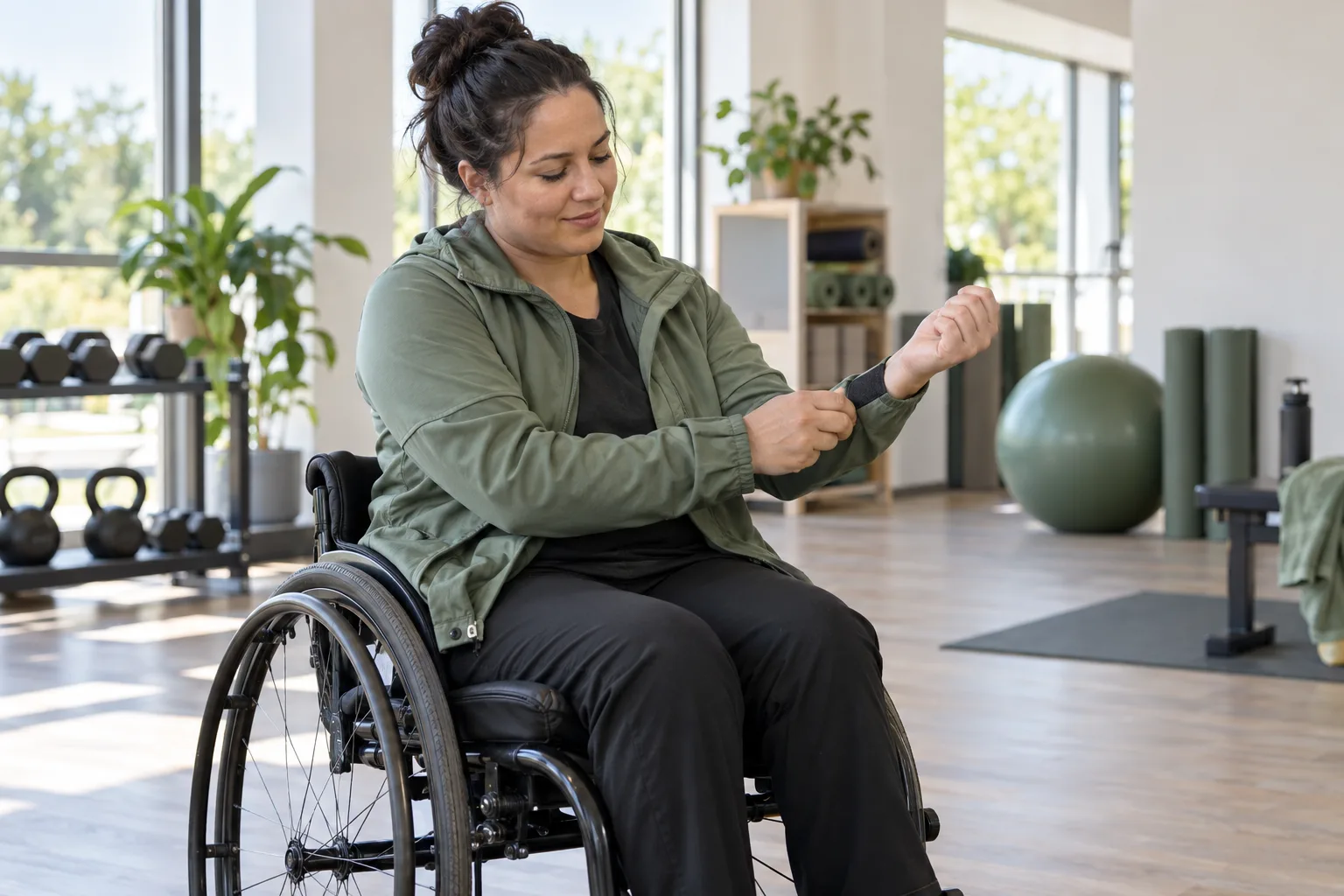
Adaptive Activewear and Gear: A Personal Fit Checklist
A person-led checklist for finding workout clothing and equipment that work with individual movement, sensory and access needs.
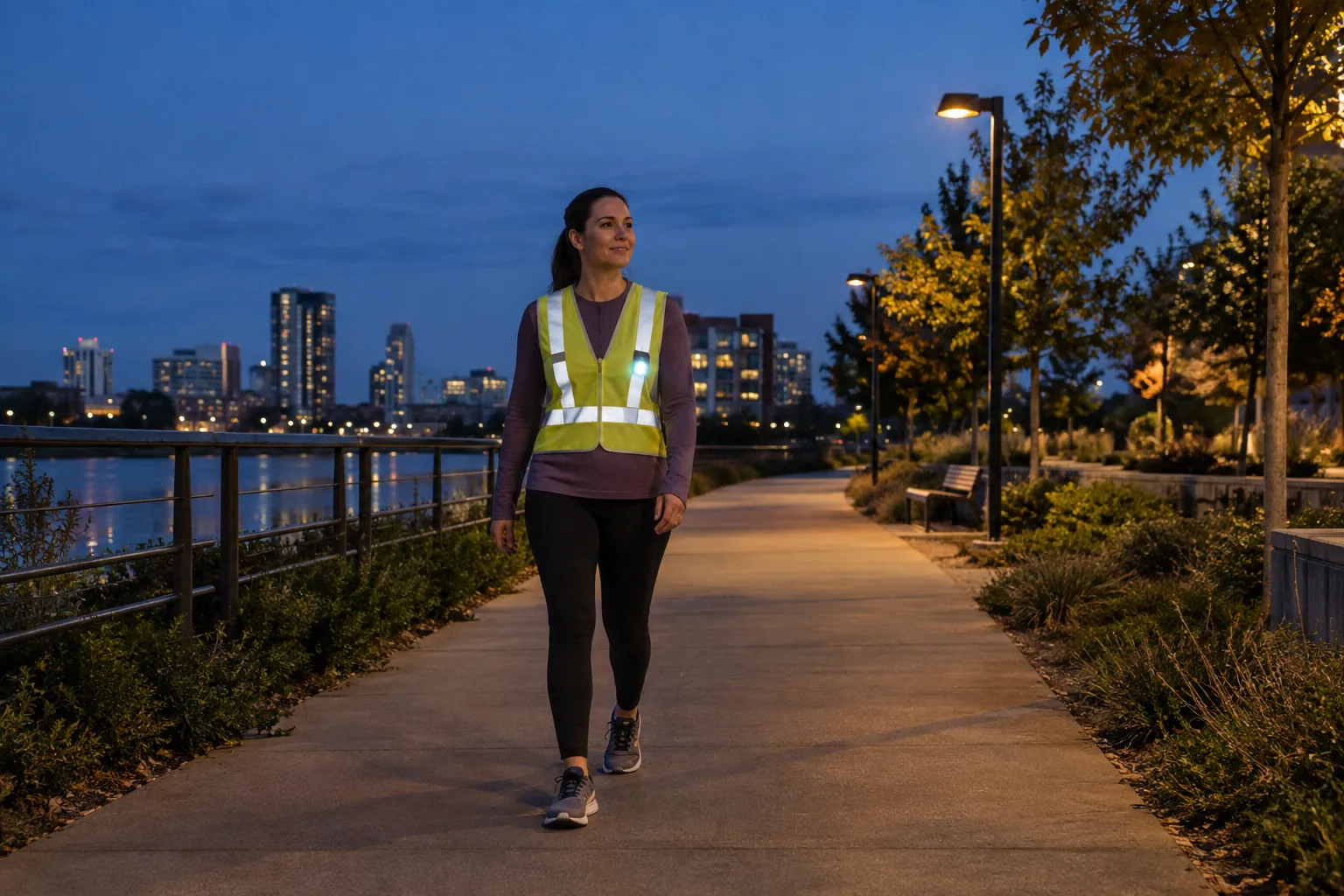
Visibility Gear for Walking and Running After Dark
Build a simple low-light kit with reflective details and active lighting while keeping route choice and road awareness first.

How to Choose Sun-Protective Activewear for Outdoor Days
Use coverage, fabric, fit and a few simple habits to make sun protection part of your outdoor clothing system.