Nubuck vs suede shoes: texture, treatment and care
Understand how nubuck and suede differ, why oil and wax finishes matter, and why a leather name alone cannot tell you how to clean or waterproof your shoes.

On this page
Nubuck and suede are both leather with a raised surface, often called a nap. Their main distinction is the side of the hide used to create that surface: nubuck is buffed on the outer, grain side; suede has its characteristic surface on the inner, flesh side.
That explains the names, but it does not settle how to clean your shoes. A factory finish, the rest of the construction and the maker's instructions still matter. Two pairs that look similarly velvety need not belong in the same care routine.
What the surface tells you
The nap consists of raised fibres rather than a smooth, polished face. Timberland's explanation of nubuck and suede distinguishes the outer hide surface used for nubuck from the flesh-side material used for suede. Neither name is simply another word for a colour: tan shoes can be made in different materials.
Do not use a photograph as a material test. If a retailer calls an upper nubuck, keep that description rather than relabelling it suede because it looks fuzzy. If the material is unstated, a close-up photograph still does not establish how the leather was processed.
Likewise, a smooth appearance alone does not prove a particular leather grade. LOWA describes full-grain leather as capable of having a smooth or textured finish. This guide does not arrange leather names into a universal quality ladder.
Oil and wax add another distinction
LOWA's materials overview says both nubuck and suede may be oiled, waxed or left natural. “Waxed nubuck” therefore gives information that the word “nubuck” alone leaves out. The finish belongs in the care decision alongside the material name.
| Wording | Describes | Still check |
|---|---|---|
| Nubuck | Buffed grain side | Finish and care |
| Suede | Flesh-side surface | Finish and care |
| Waxed or oiled | A treatment | Model instructions |
The table is a way to separate the questions, not a cleaning recipe. It does not tell you how much treatment a shoe contains, which product to apply or whether its current appearance matches its original finish.
Why care guides can sound different
R.M.Williams' boot-care guide separates pigmented, suede or nubuck, oily and other finishes. Its suede-care section includes gentle brushing and products intended for that surface. LOWA's walking-boot care instructions describe cleaning with a brush and water, followed by appropriate treatment. These are instructions in different product contexts, not competing rules for every leather shoe.
Suppose you own a fictional suede loafer and a fictional waxed-nubuck walking boot. A general boot-care page recommends a wax treatment. The useful next step is to establish whether that instruction covers the loafer, not to apply the wax to both pairs because both uppers are leather. If the loafer's instructions are missing, ask its maker before choosing a product or method.
This avoids turning a material explanation into a home experiment. There is no need to wet a patch, scrape the surface or try an unfamiliar cleaner just to decide what name to use.
Texture does not establish waterproofing
LOWA's materials overview discusses the GORE-TEX membrane system separately from the leather upper. That is an example of why surface texture and waterproof construction are different questions, rather than proof that any shoe with a velvety upper is waterproof.
Keep an upper-material description separate from a claim about the finished shoe. Our shoe-material label guide explains the upper, inner parts and sole categories. It does not certify waterproof performance. For shoes that are already wet, consult the maker's instructions; our running-shoe drying guide covers airflow and heat precautions in that separate context.
Practical takeaway
Use nubuck and suede to understand the leather surface, then look for any stated oil or wax finish. Before cleaning, find instructions that actually cover your pair. If you contact the maker, ask whether the named treatment suits that model and finish. That question is more useful than assuming all velvety shoes need identical care.
Sources
- What is the difference: nubuck vs suede?, Timberland
- Upper and lining materials, LOWA UK
- How to maintain your boots: care guides, R.M.Williams
- Boot care instructions, LOWA UK
Continue reading
Related articles

Trail-shoe lugs: depth, spacing and shape
Read trail-shoe lug depth, spacing and shape separately. Use a simple comparison to spot missing details without turning one number into a grip score.

Ball pressure labels: PSI, bar and kPa explained
Read a ball’s pressure number with its unit. Compare PSI, bar and kPa using a worked example, then find the pressure instructions for your own ball.
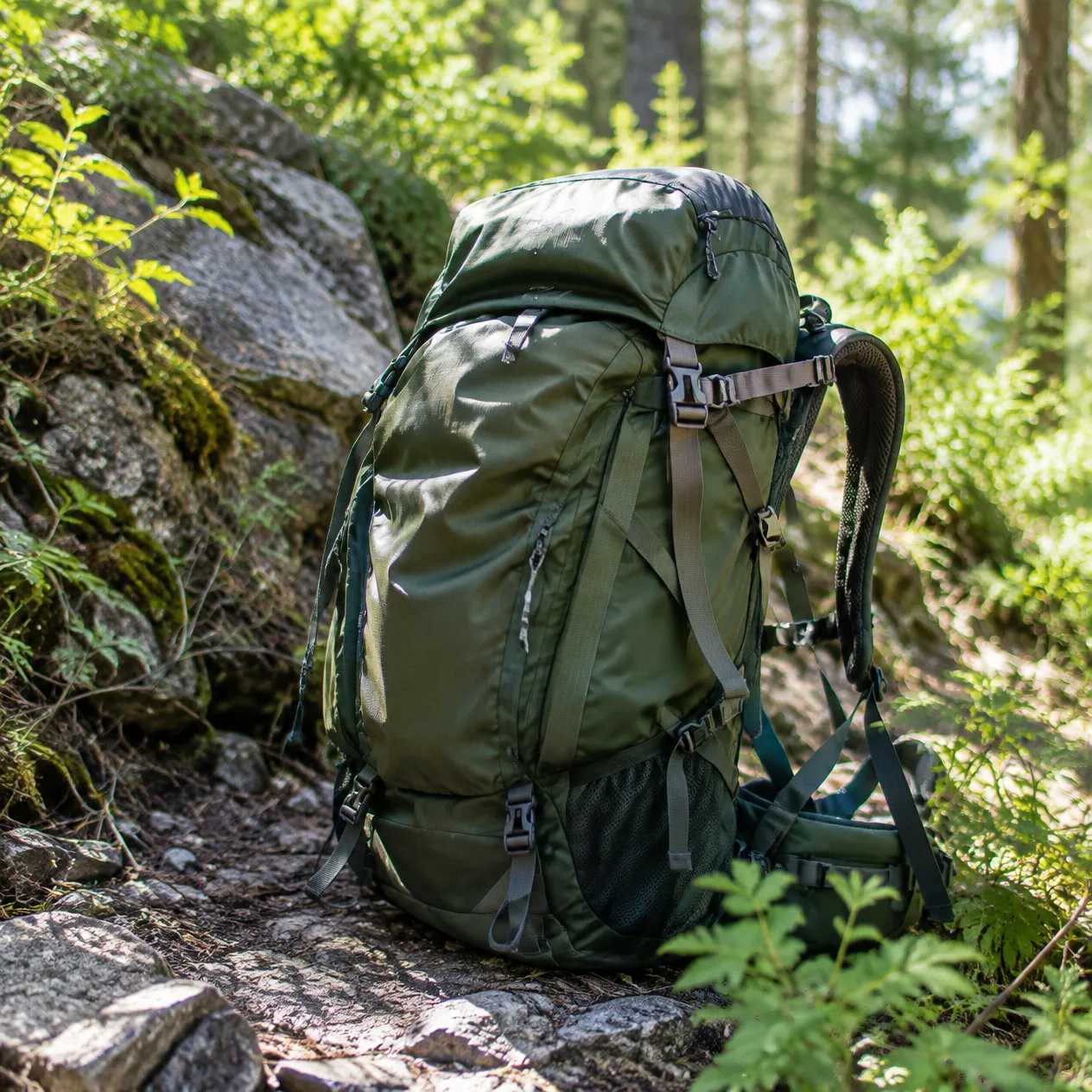
Backpack straps: compression, load lifters and chest straps
Identify compression straps, load lifters and sternum straps by their connections. Use a simple comparison before checking your backpack’s own instructions.