Pickleball doubles score: why games start at 0–0–2
Learn what the three numbers in a pickleball doubles score mean, why play starts at 0–0–2, and how the call changes after a point, server change or side out.

On this page
In standard pickleball doubles, 0–0–2 does not mean someone has already scored two points. The first two numbers are the teams' scores. The last number identifies the current server's place in the serving sequence.
This guide follows the 2026 USA Pickleball rules for traditional side-out doubles. Agree on the scoring format before using the examples: rally scoring follows a different system.
Read the call from the server's side
A call of 6–4–1 means the serving team has six points, the receiving team has four, and the first server is serving. The last number can be 1 or 2. It is not a third team's score, a fault count or the number of attempts remaining.
Pickleball Canada's scoring overview explains that these server numbers belong to the current serving sequence. A player who is first server this time can be second server the next time their team gets the serve. At a side out, the correctly positioned player on the right begins the new team's sequence.
Think of two separate questions: what are the points, and whose turn is it to serve? Keeping them separate helps explain why a score call can change even when neither team has gained a point.
Follow points and server changes separately
During a rally in standard side-out scoring, the serving team earns a point if it wins. The same player serves again, from the other serving side. Winning consecutive rallies therefore keeps that player serving; it does not advance the last number.
If the first server's team loses a rally, the partner takes over as second server. The receivers do not gain a point. If the second server's team loses, service passes to the opponents: that is a side out.
One serve attempt is different from a serving turn. A player can serve across several rallies while their team keeps scoring. The number 2 does not grant a second attempt at a faulty serve.
Why the opening call ends in 2
The opening team is the exception to the usual two-server sequence. It gets only one server before the first side out, and that player is designated the second server. With both teams on zero, the call is 0–0–2.
If that team immediately loses the opening rally, its opponents begin at 0–0–1. If it wins the opening rally instead, the same player next serves at 1–0–2. The 2 stays in place because scoring a point does not create another server turn.
A fictional four-call sequence
Imagine Team Amber leads Team Blue 6–4. Amber's correctly positioned first server is about to serve. The rows below show the next call after each stated event; Amber and Blue are team names, not individual players.
| Situation | Call | Next server |
|---|---|---|
| Amber starts | 6‑4‑1 | Amber's first |
| Amber wins | 7‑4‑1 | Same player, other side |
| Amber loses | 7‑4‑2 | Amber's partner |
| Amber loses again | 4‑7‑1 | Blue's first |
At 4–7–1, Amber still has seven points and Blue still has four. The first two numbers have swapped because Blue now serves. Reading every call as “Amber's score, then Blue's score” would make this change look like an error.
Try one without the table
You hear 3–8–2. Before reading on, decide what the next call would be if the serving team wins, then consider what would happen if it loses instead.
A win produces 4–8–2 with the same server. A loss gives the opponents the serve at 8–3–1. These are alternative outcomes from 3–8–2, not consecutive rallies.
Other racket sports have their own schedules. Our table-tennis doubles guide and tennis tiebreak guide explain those separately; do not transfer their point-counted service changes to pickleball.
Practical takeaway
Call the whole score before hitting the serve. If the score, server or position is unclear, ask your opponents before serving. Check the format too: the 2026 USA Pickleball Official Rulebook includes a provisional rally option with a two-number call and one server per team before a side out. The three-number examples above apply to standard side-out doubles.
Sources
- 2026 USA Pickleball Official Rulebook, USA Pickleball
- Basic Rules: Points, Scoring and Serving, Pickleball Canada
Continue reading
Related articles
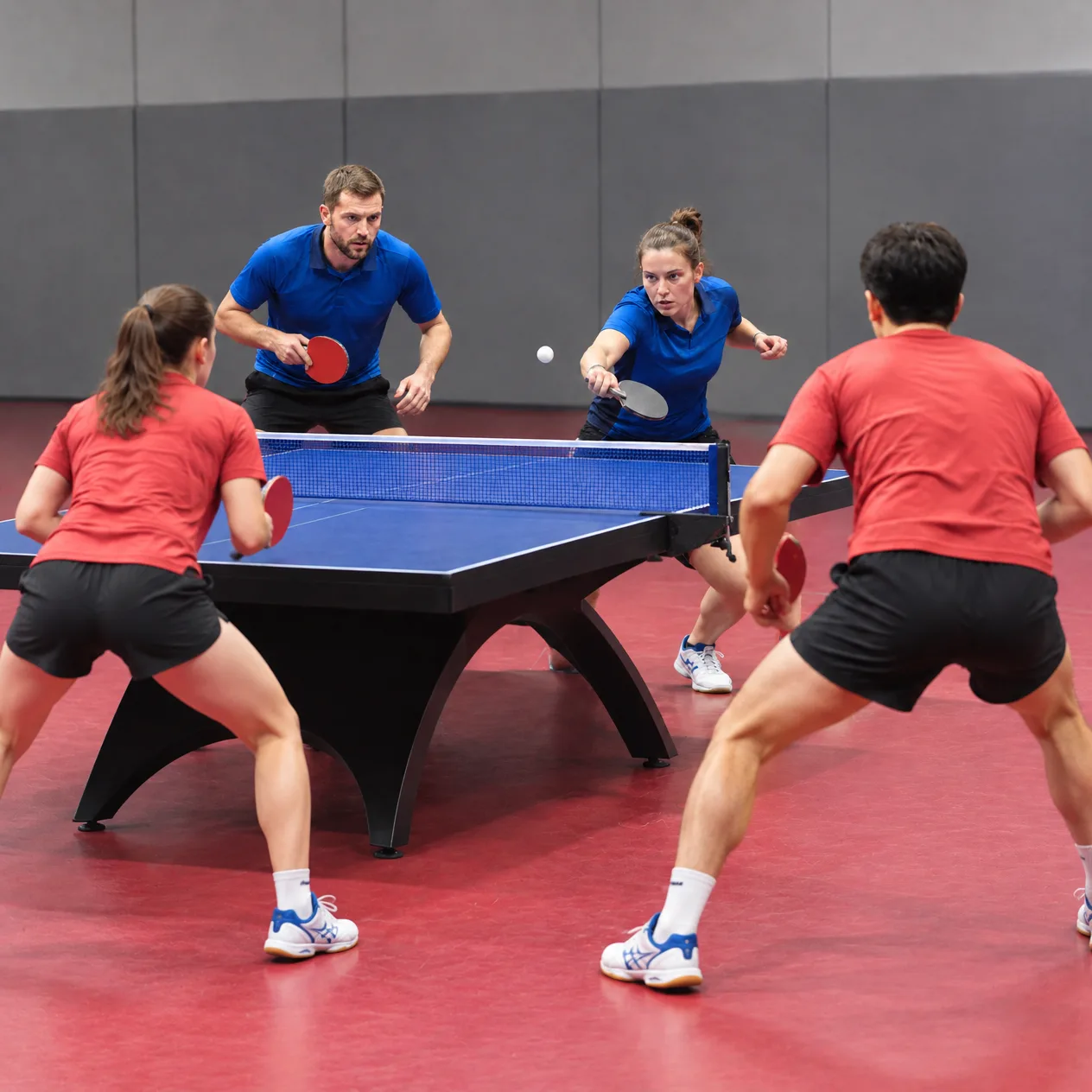
Table-tennis doubles: who serves, receives and hits next?
Follow a four-player table-tennis doubles example: serving turns, alternating hits, the next game’s receiver and the deciding-game change at five points.
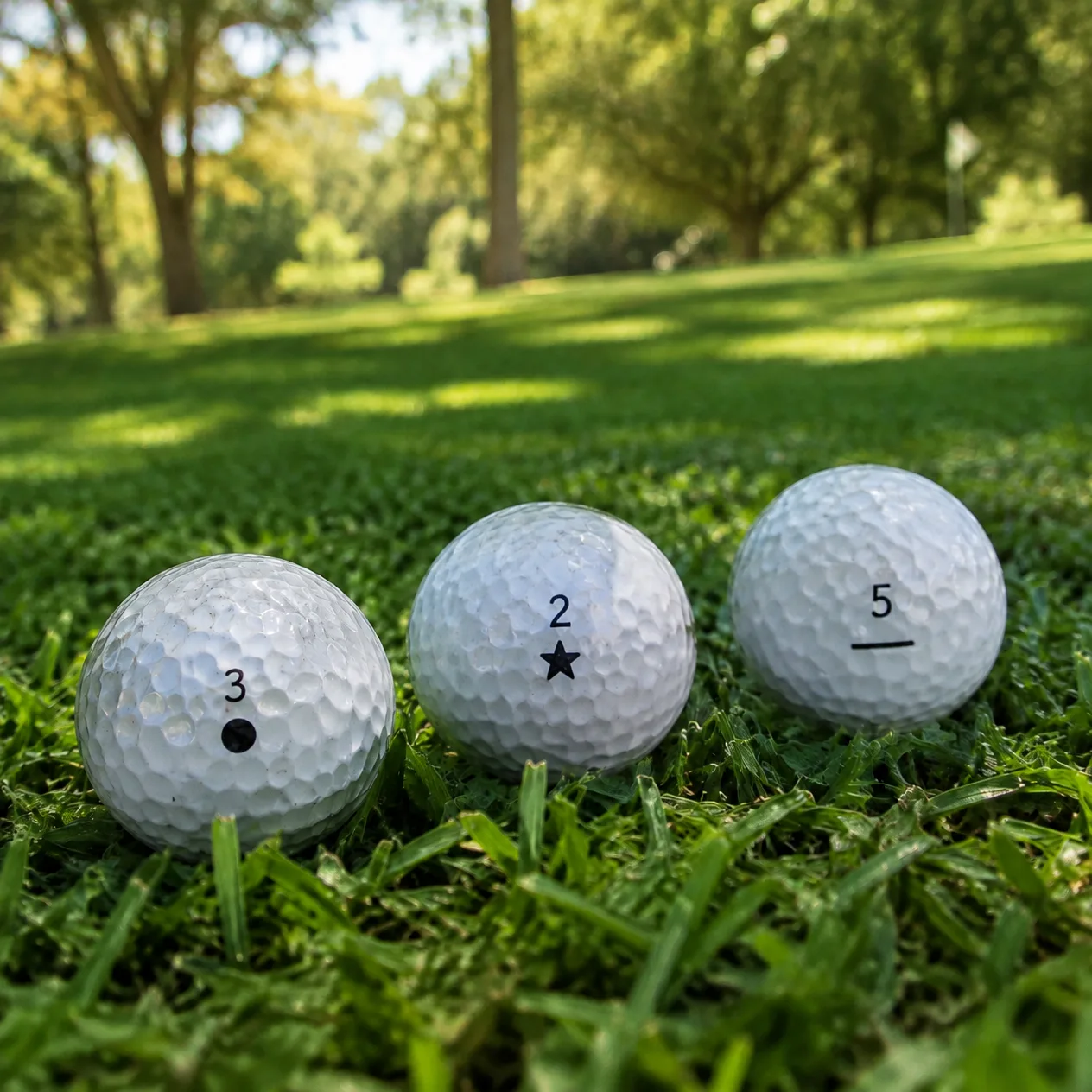
Golf ball numbers: play numbers and identifying marks
Understand golf ball play numbers, model names and personal marks, with a simple preparation checklist and the rules for identifying a ball before playing.
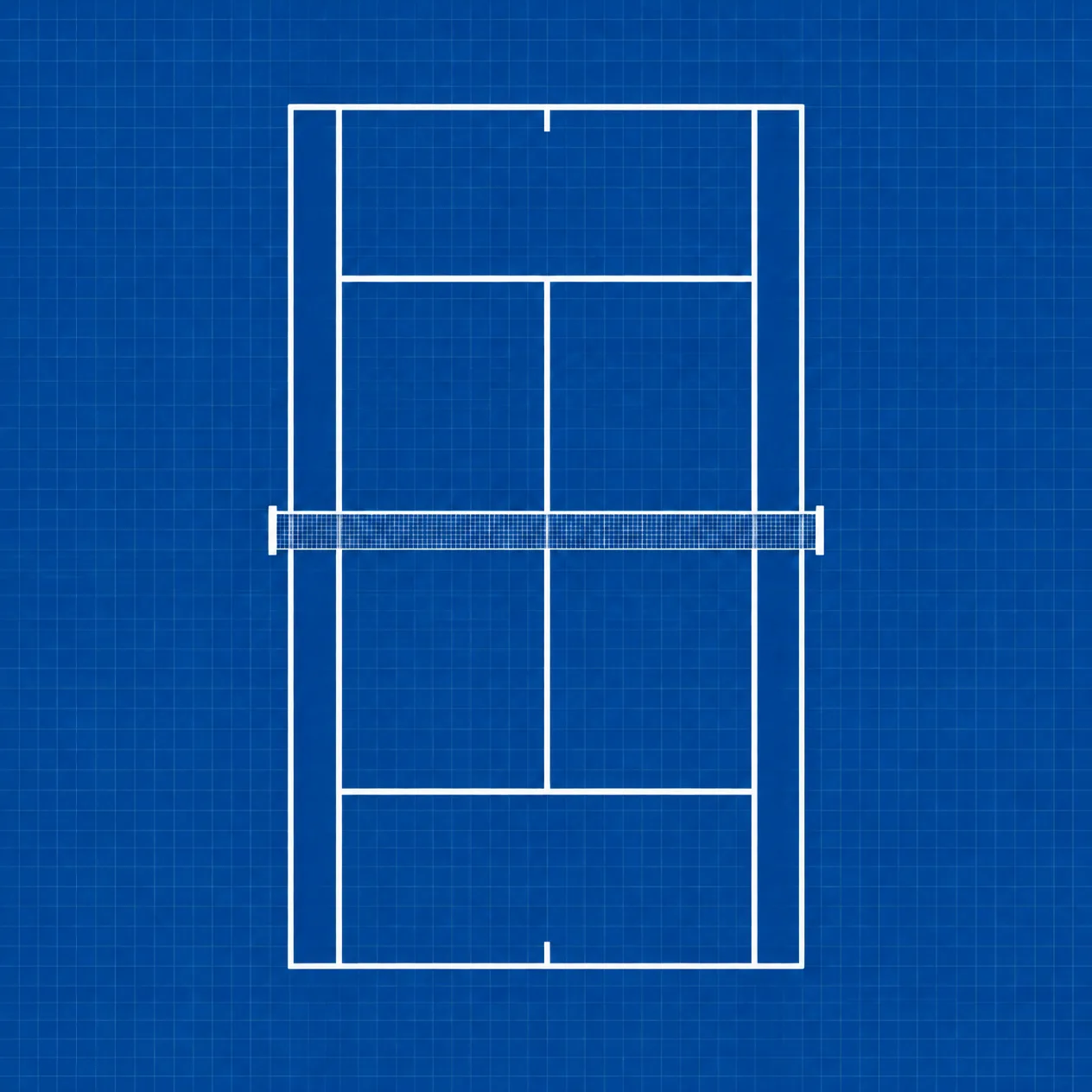
Are the tramlines in? Tennis singles, doubles and serves
Learn when tennis tramlines count, why doubles serves use the same boxes as singles, and how to judge a bounce on a boundary line with three examples.