A Practical Walking Plan You Can Actually Keep
A useful walking routine does not need an impressive step count or a punishing pace. Start with the time and energy you have, then build a week that is easy to repeat.

Walking is one of the simplest ways to add movement to a day, but simple does not always mean easy to sustain. A plan can unravel when it demands a perfect schedule, a fixed pace or a big jump from very little activity. A more durable approach starts with your current routine and leaves room for ordinary disruptions.
The World Health Organization guidelines emphasise that some activity is better than none and that all physical activity counts. That makes a modest walk worthwhile even when it is shorter than the one you originally imagined.
Find a baseline before setting a target
For three or four days, notice how much purposeful walking fits naturally into your life. You might manage ten minutes after lunch, a longer trip at the weekend or several five-minute errands. Record minutes rather than chasing an arbitrary step total. The result is your baseline, not a grade.
Choose a first-week target that feels repeatable. If you currently walk for ten minutes on two days, adding one more ten-minute walk is a meaningful progression. The public Move Your Way activity planner can help turn those small sessions into a visible weekly plan. Its broader goal for adults is at least 150 minutes of moderate-intensity aerobic activity per week, alongside muscle-strengthening activity on two days, but people who are inactive can build toward that amount gradually.
Use effort you can recognise
A comfortable walk and a brisk walk both have a place. For a simple effort check, pay attention to your breathing. On an easy walk, conversation should feel relaxed. At a moderate effort, you can usually talk, although singing would be difficult. You do not need to turn every outing into a test.
Try giving each walk a purpose:
- Easy walk: a relaxed outing that supports consistency.
- Brisk intervals: short, quicker sections separated by comfortable walking.
- Longer wander: extra time at an easy pace when your schedule allows.
This variety makes it possible to adjust for sleep, weather and workload without abandoning the habit.
Build a flexible week
A beginner week might include three walks: two shorter weekday sessions and one slightly longer weekend session. Place them on days that already have a useful cue, such as finishing breakfast or closing a laptop. Keep one backup slot available. If rain interrupts Tuesday, Thursday can take its place.
Progress only one part of the plan at a time. Add a few minutes to one walk, add another walking day, or include a couple of brisk intervals. Changing distance, frequency and pace together makes it harder to know what your body and schedule can comfortably absorb. Repeat a successful week before increasing it.
Make starting almost automatic
Reduce the number of decisions between you and the door. Keep suitable shoes nearby, choose a familiar route and decide in advance what “done” means. On a crowded day, your minimum might be five minutes around the block. You can continue if you want, but the short version still protects the routine.
Walking can also attach to tasks you already do: make a phone call on foot, walk part of a commute, take a loop while someone is at an appointment, or visit a shop without driving when conditions are safe. These are not lesser sessions. They are practical ways to make movement part of the day.
Notice progress beyond speed
The CDC overview of physical activity benefits notes that activity can support sleep, brain health, bones and muscles, and everyday function. Your own early signs of progress may be quieter: you remember your walk without prompting, a familiar hill feels less daunting, or you return with more energy than expected.
A calendar tick is enough tracking for many people. If numbers are motivating, record minutes and a simple effort rating. Avoid letting the tracker decide whether an outing “counts.” Consistency is the useful signal.
Keep safety in the plan
Choose a well-lit route, stay visible near traffic, check the weather and carry water when conditions call for it. Start gently after a long inactive period. Stop if you feel faint, unusually breathless, unwell or have pain rather than ordinary effort. Anyone unsure whether activity is suitable because of a health condition, symptoms, pregnancy, recent surgery or injury should seek individual advice from a qualified health professional.
Practical takeaway
Schedule three manageable walks for the coming week and define a five-minute backup version for each. Keep the pace conversational at first, repeat the week if it works, and increase only one variable when you are ready. A walking plan succeeds when it keeps getting used.
Sources
- WHO guidelines on physical activity and sedentary behaviour, World Health Organization
- Activity Planner — Move Your Way, U.S. Office of Disease Prevention and Health Promotion
- Benefits of Physical Activity, Centers for Disease Control and Prevention
Continue reading
Related articles

Choosing a Sport for a Young Person: Interest, Access and Safety First
There is no single best sport for a young starter. Begin with the young person’s interests, access needs and safety, then look for supportive coaching, varied movement and room to change course.
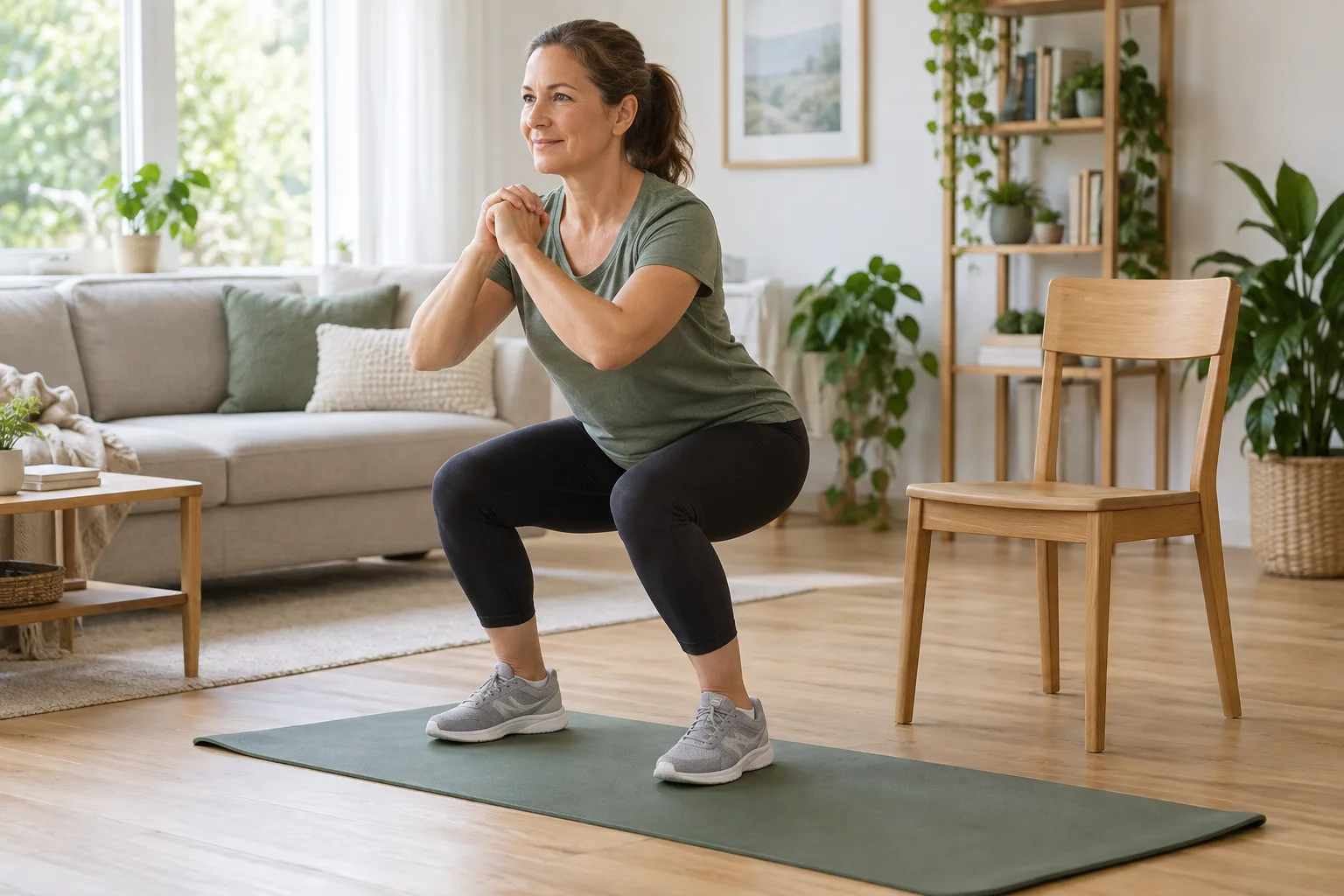
Your First Full-Body Strength Routine at Home
You can learn the foundations of strength training with a chair, a wall and a few controlled movements. This beginner framework focuses on consistency, technique and gradual progress.

A Gentle Mobility Routine for Stiff Days
A short mobility break can help you explore comfortable movement without turning the session into a performance. Use this calm sequence after sitting or whenever your body wants a reset.