Middle-Distance Track Events: 800m, 1500m and 3000m Explained
Middle-distance racing sits between sprinting and long-distance events, combining pace, positioning and endurance. Learn how the 800m, 1500m and related track races are organised.
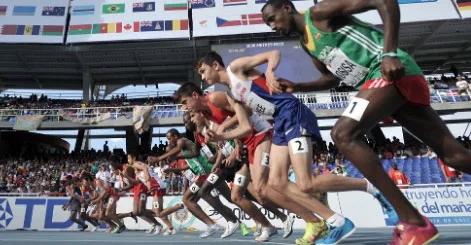
The old phrase “medium-based tests” is a mistranslation. The usual English term is middle-distance events: track races longer than the sprints but shorter than the classic long-distance programme. They reward speed and endurance, but they are also shaped by judgement. A runner must decide when to hold position, move around the field or commit to a finishing effort.
World Athletics groups the 800m, 1500m, 5000m, 10,000m and 3000m steeplechase within its middle/long discipline family. In everyday discussion, the 800m and 1500m are the clearest middle-distance events. The 3000m is also commonly described as middle distance, while boundaries can vary between organisations and competition levels.
The 800 metres: two fast laps
On a standard outdoor 400m track, the 800m covers two laps. It begins from staggered positions, and runners stay in their assigned lanes through the first bend before reaching the break line. After that point they may move toward the inside, provided they do so legally and without obstructing another runner.
The official World Athletics 800m overview calls it the shortest middle-distance event and notes its tactical character. The opening pace can be decisive: starting too quickly can make the final straight difficult, while waiting too long may leave too much ground to recover. Championship competition usually advances through rounds, so qualifying position can matter as much as the clock.
The 1500 metres: three and three-quarter laps
The 1500m is three full laps plus 300m on a standard outdoor track. Athletes usually begin together from a curved start rather than in separate lanes. That creates immediate choices about position, space and pace. The shortest line is near the inside rail, but a crowded inside position can leave a runner boxed in when the speed changes.
The World Athletics 1500m guide explains that the event is sometimes called the metric mile. It is not exactly a mile: a mile is 1609.344m. The related mile remains a recognised and popular event, especially at selected meetings, but the 1500m is the standard championship distance.
Where the 3000m fits
The flat 3000m takes seven and a half laps outdoors. It appears often in indoor and developmental competition, although it is not always part of an outdoor championship programme. The 3000m steeplechase is a distinct event that adds fixed barriers and water jumps. Sharing a distance does not make the flat race and steeplechase interchangeable.
Indoor tracks are commonly shorter than outdoor tracks, so lap counts and start arrangements differ. Age-group, school and local programmes may also use 600m, 1000m, the mile or other distances. A meeting’s timetable and rule set are the reliable guides.
How middle-distance races unfold
Some races are paced for a fast time; others are tactical contests where the early pace is modest and the finish is rapid. Wind, temperature, field size, qualifying rules and the athletes’ strengths all affect the pattern. There is no universal instruction that the first lap must be the slowest or that every runner should stay at the back.
Positioning is part of the event, but physical contact and obstruction are regulated. Runners must leave enough room, avoid stepping inside the track boundary and follow officials’ instructions. Starts, advancement rules and lane arrangements can change with the event and meet, so athletes should not rely on a short web summary for competition compliance.
Watching with more understanding
Look for the break line in the 800m and the bunched start in the 1500m. Notice whether the field is chasing a planned pace or watching one another, when runners move to the outside to pass, and how much position changes before the final bend. Splits reveal how the speed changed, but they do not show the full cost of running wide or responding to repeated surges.
Practical takeaway
Use “middle-distance events” for the 800m, 1500m and often the flat 3000m. Remember the basic shapes—two laps with an early lane break for the 800m, and three and three-quarter laps from a group start for the 1500m—then check the current meeting rules for rounds and qualification. The category describes a family of races, not one fixed tactic.
Sources
- Our Sport, World Athletics
- 800 Metres, World Athletics
- 1500 Metres, World Athletics
Continue reading
Related articles
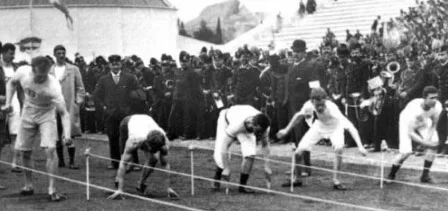
A Brief History of Athletics: From Ancient Contests to a Global Sport
Athletics grew from the basic acts of running, walking, jumping and throwing into a regulated international sport. Follow the major stages without turning a complicated history into a single origin story.
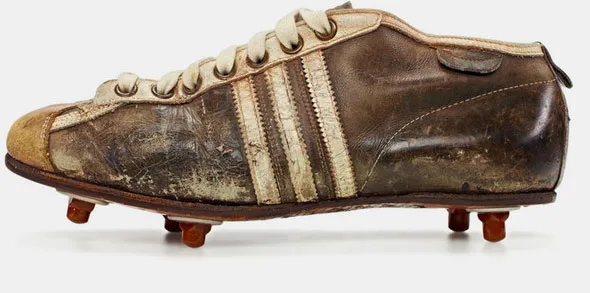
How Soccer Boots Evolved: From Everyday Boots to Modern Studs
Soccer footwear changed alongside the laws, playing surfaces and manufacturing. This evidence-led overview separates the broad historical story from marketing claims about modern boots.

How to Get Fit for Soccer: A Practical Training Guide
Soccer fitness grows from regular ball work, general conditioning, strength, recovery and a sensible warm-up—not from one punishing workout. Use this framework to build a week you can repeat.