A Gentle Mobility Routine for Stiff Days
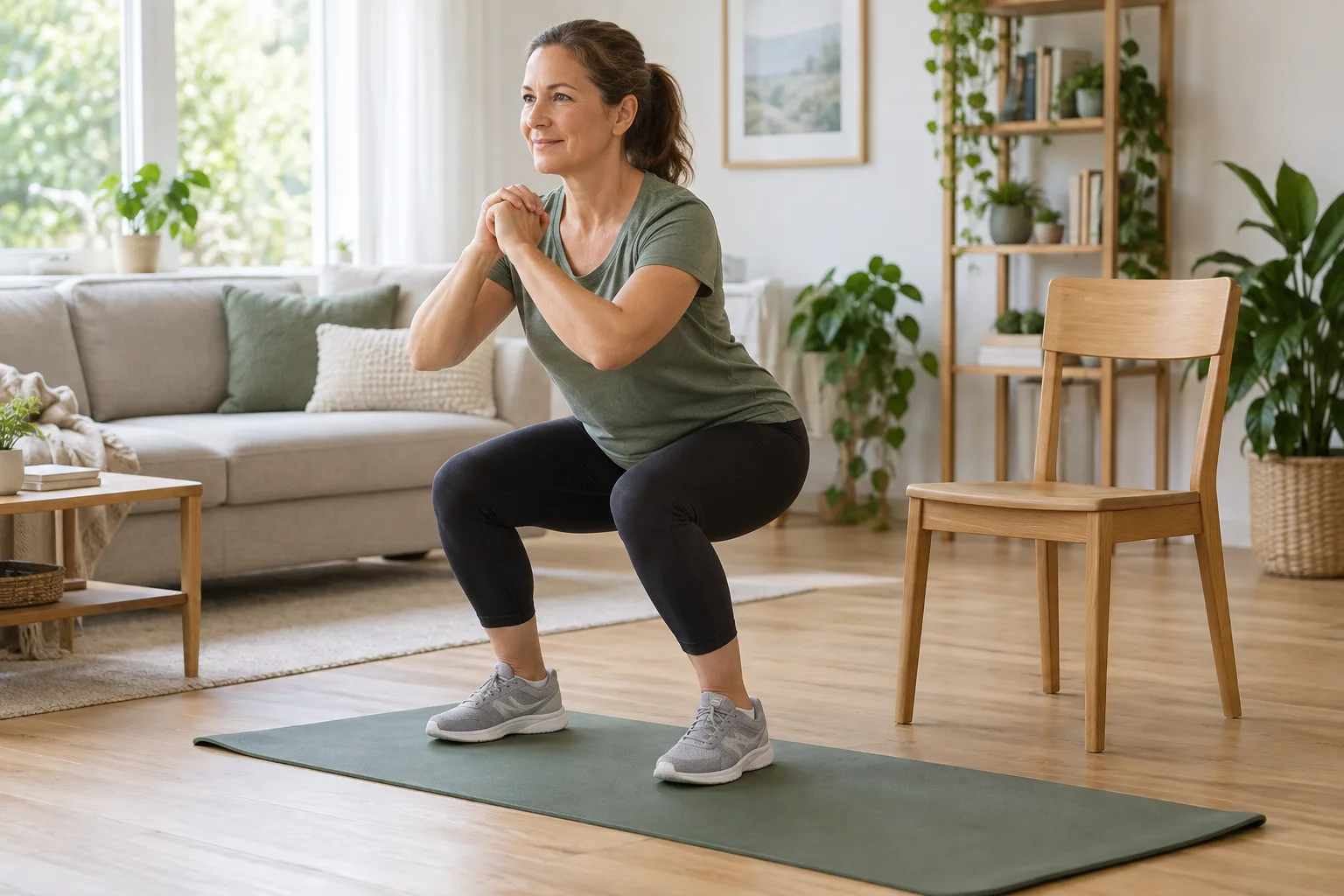
A short mobility break can help you explore comfortable movement without turning the session into a performance. Use this calm sequence after sitting or whenever your body wants a reset.
Browse articles
Browse 52 published articles by T Berker Dündar.
A short mobility break can help you explore comfortable movement without turning the session into a performance. Use this calm sequence after sitting or whenever your body wants a reset.

You can learn the foundations of strength training with a chair, a wall and a few controlled movements. This beginner framework focuses on consistency, technique and gradual progress.
A useful walking routine does not need an impressive step count or a punishing pace. Start with the time and energy you have, then build a week that is easy to repeat.
Energy is not a product or a single wellness score. Support daily function with sleep, regular food, fluids, movement and pacing, and recognise persistent fatigue as a symptom that may need medical care.
There is no single best sport for a young starter. Begin with the young person’s interests, access needs and safety, then look for supportive coaching, varied movement and room to change course.
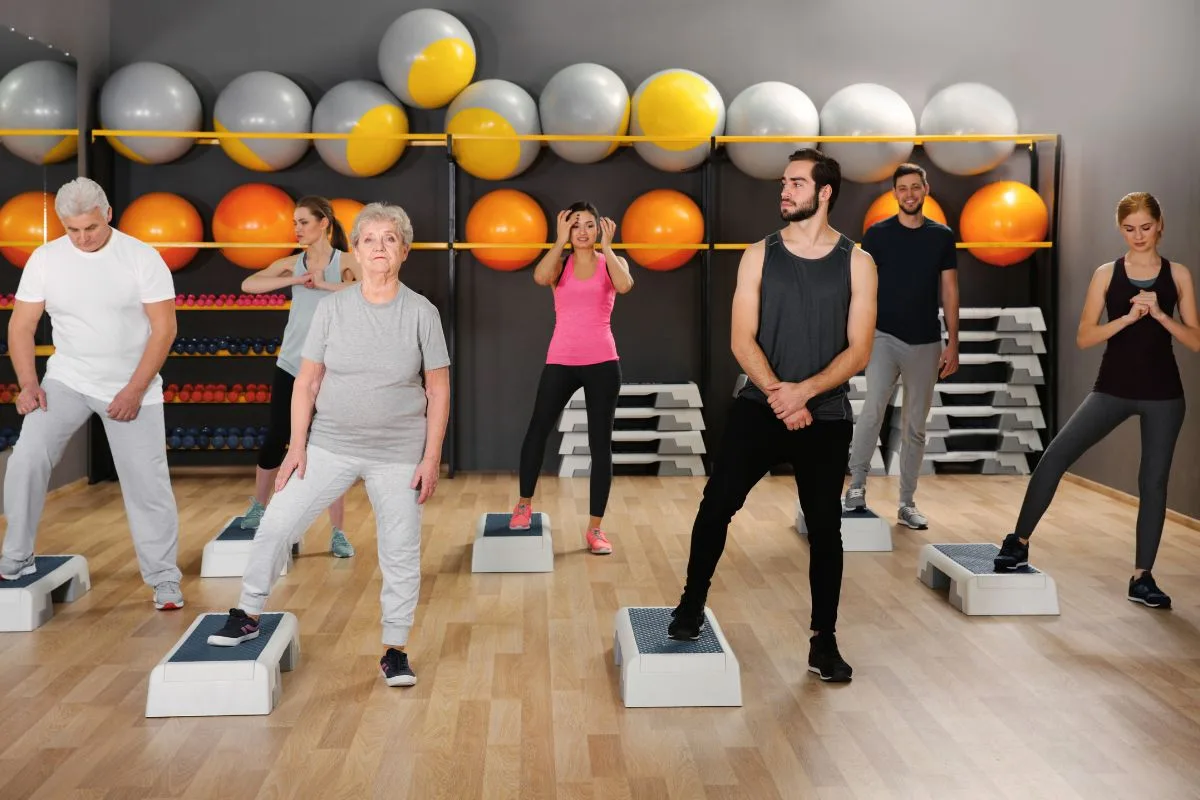
Sport can support health and enjoyment at many ages, but one plan does not fit children, adults and older adults. Choose appropriate activity, start gradually and value benefits beyond weight.
Sexual activity uses energy, but narrow studies do not justify calorie tables, position rankings or weight-loss promises. Put consent, comfort, pleasure and health ahead of exercise metrics.
Sustainable weight management is not an ultimate checklist. Build a realistic plan around health, food, movement, sleep, support and maintenance while recognising when clinical care is appropriate.
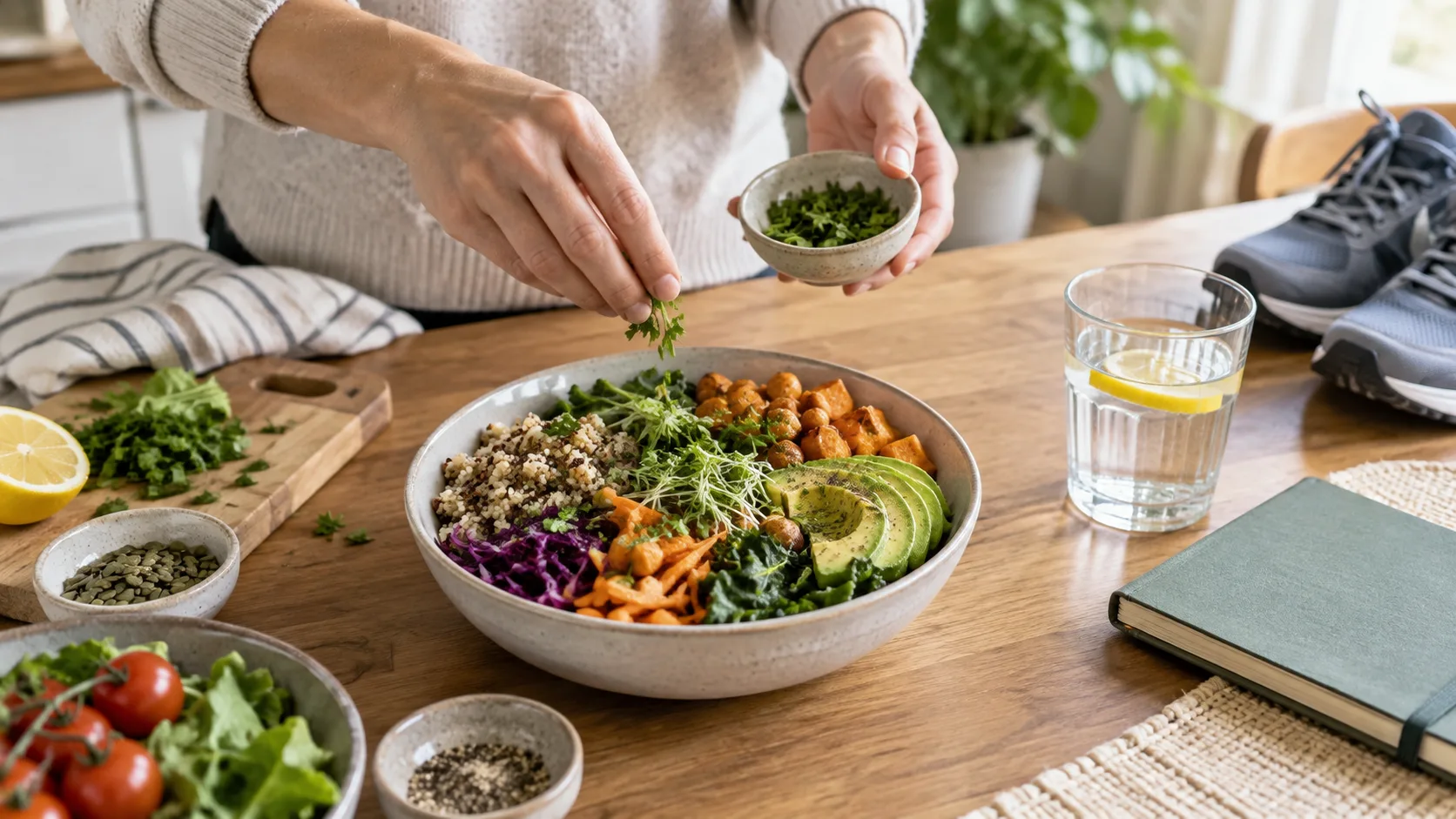
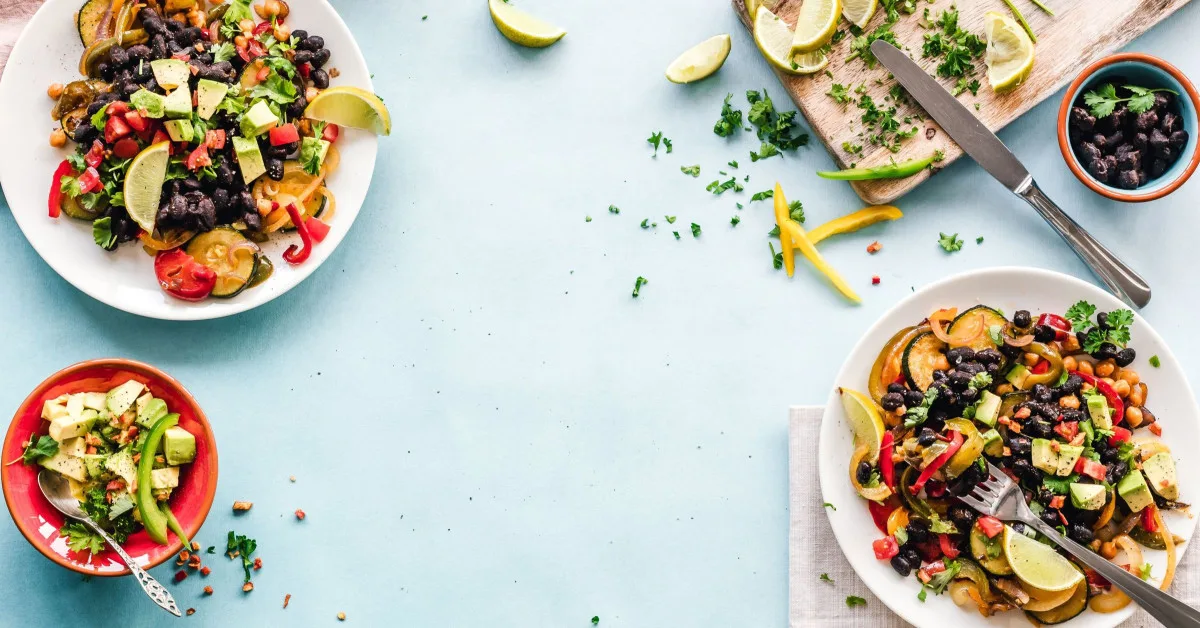
An “ideal” salad depends on appetite, culture and health needs. Build a satisfying meal with vegetables, protein, a useful carbohydrate and enough dressing or texture to enjoy it.
Favorite foods can fit in some weight-management plans, but “eat everything” does not mean unlimited amounts. A flexible pattern considers portions, frequency, satisfaction and health needs.
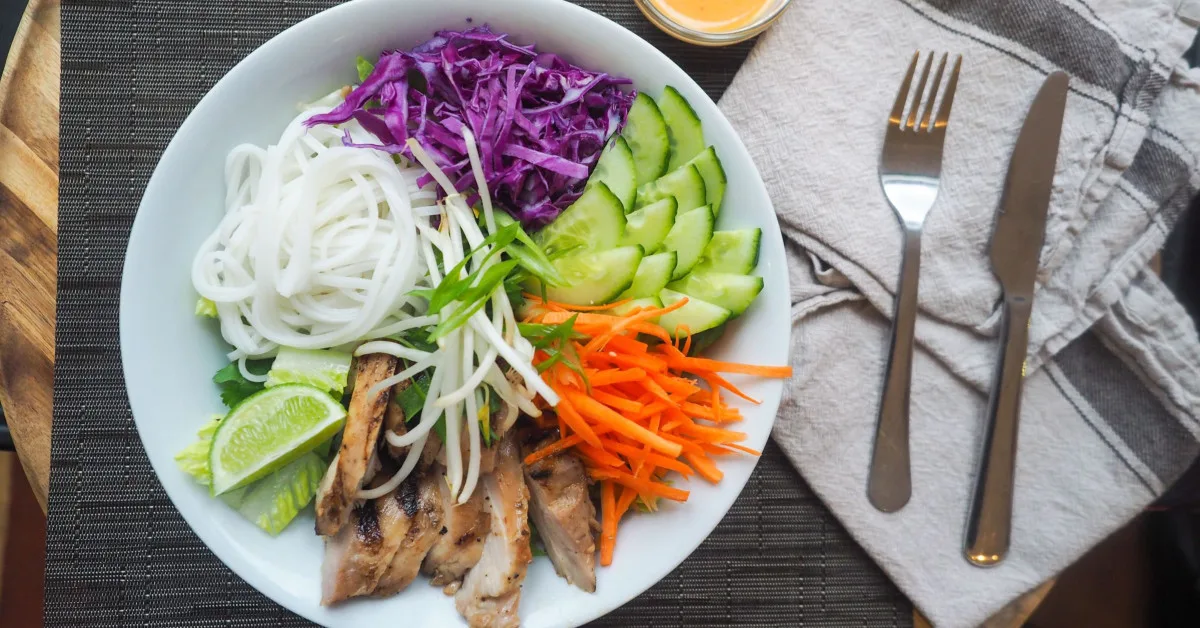
A useful dinner is satisfying, practical and suited to the person—not merely “light.” Try three flexible meal templates that combine vegetables, protein, carbohydrates and flavour.
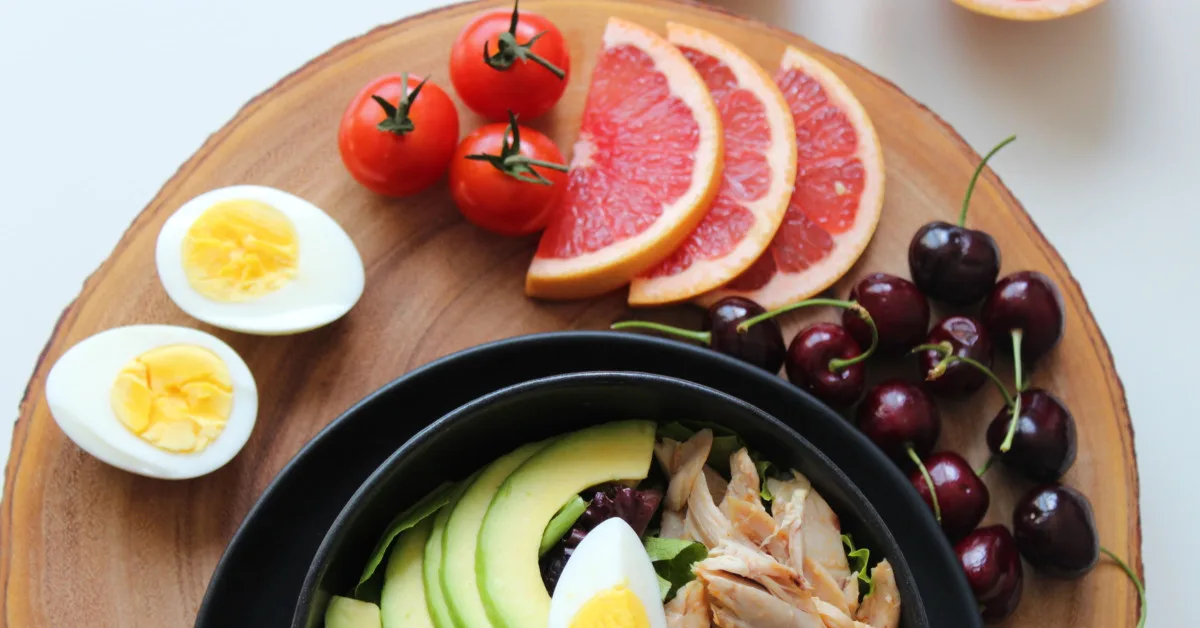
No food burns fat or guarantees weight loss. These six flexible food groups can help build varied, satisfying meals without turning ordinary ingredients into miracle products.